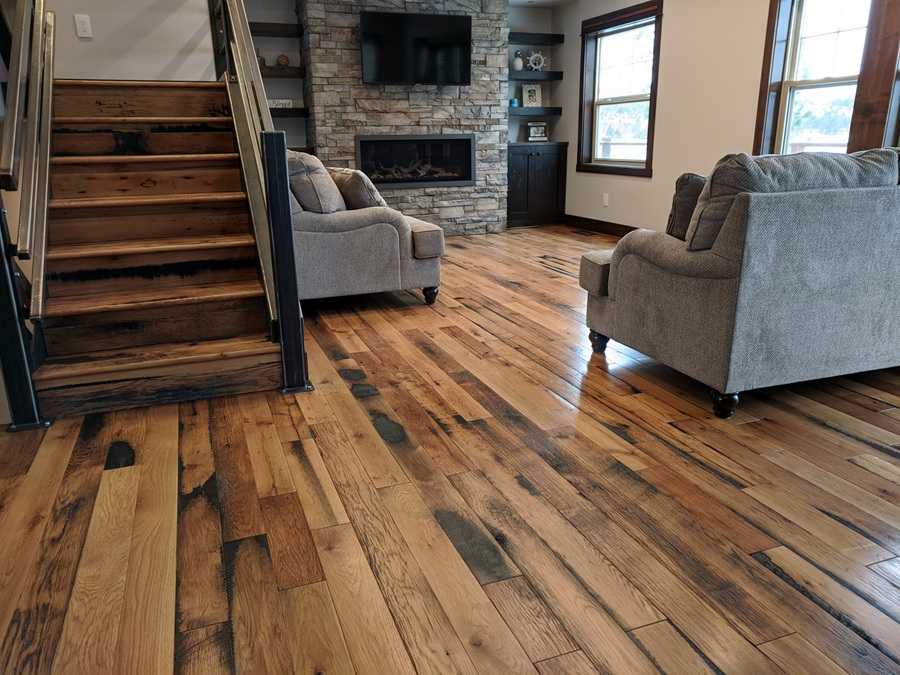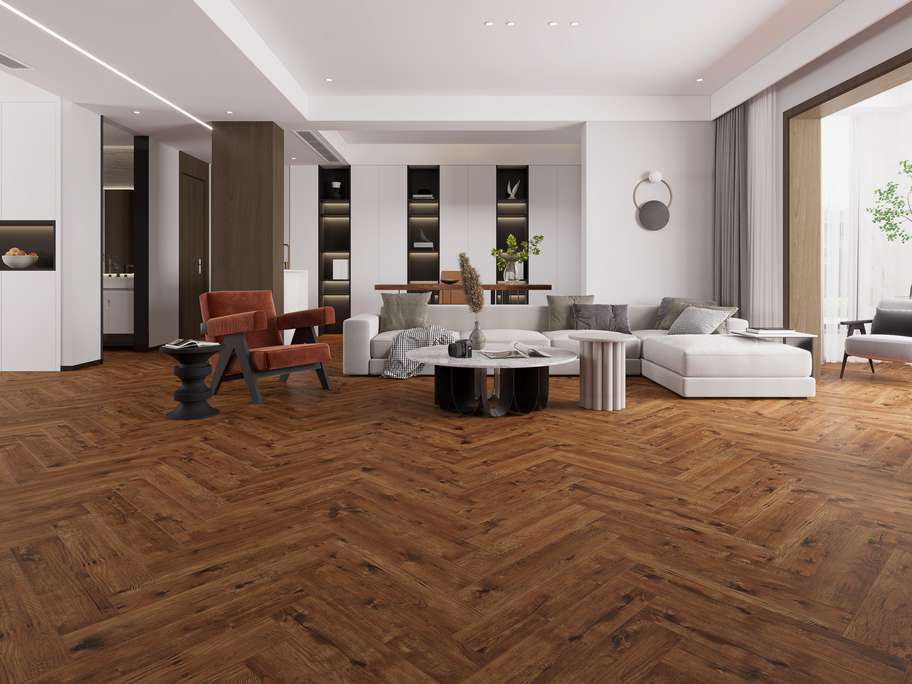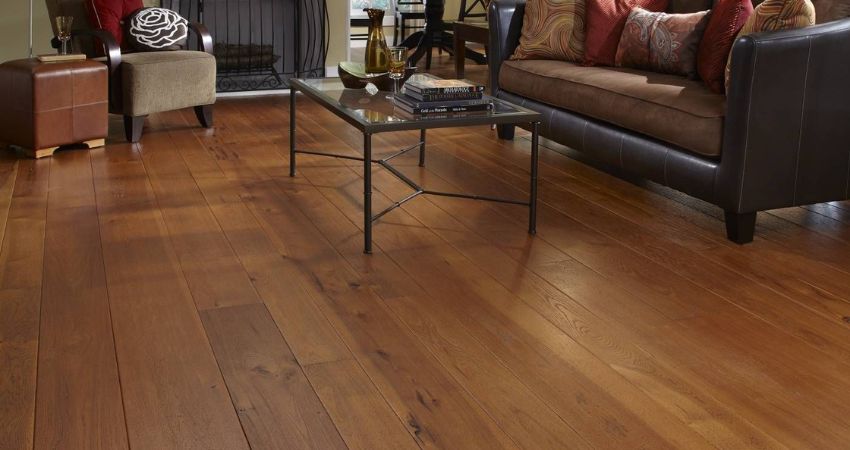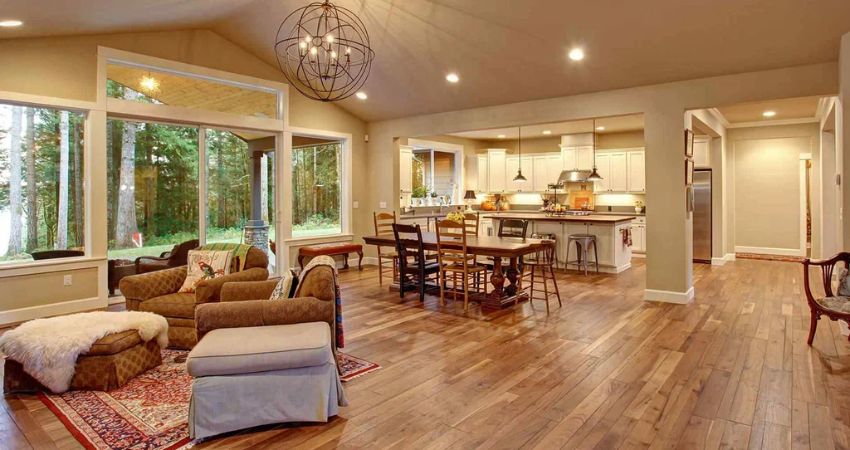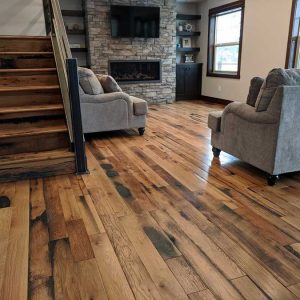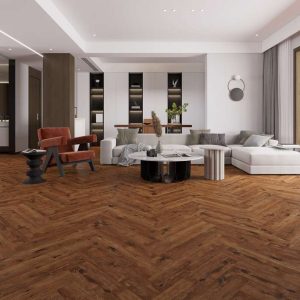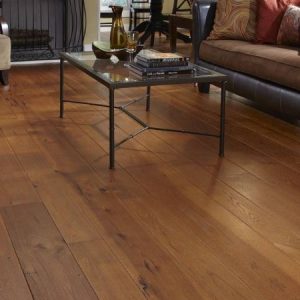
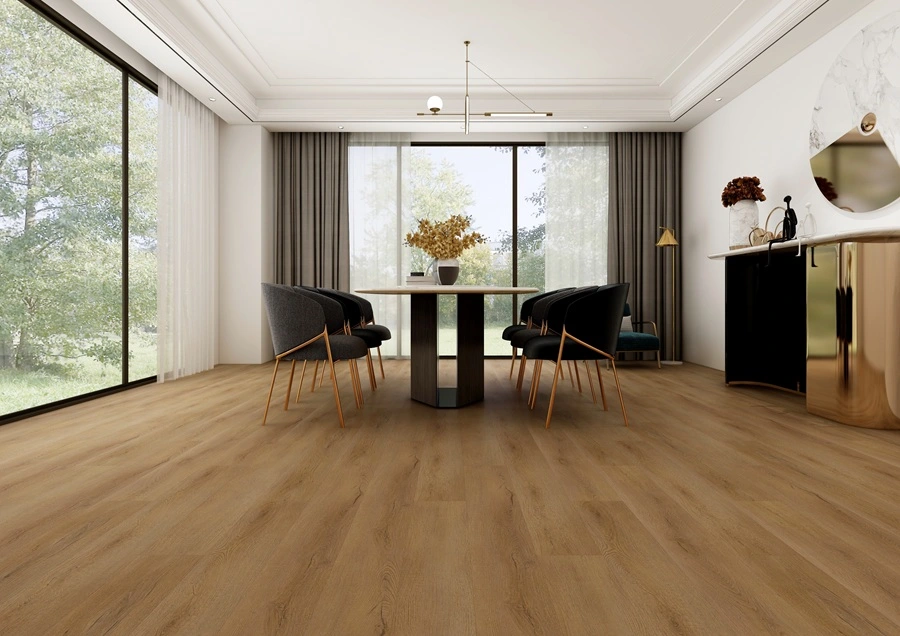
LVT, a shortened form of Luxury Vinyl Tile, is skyrocketing in popularity across the globe. The reason being that it can perfectly replicate wood & stone like a chameleon, and is a 100% waterproof wonder. LVT is a modern flooring that bridges the gap between high-end look, extreme durability, and affordable pricing. Engineered for both residential & commercial settings, luxury vinyl flooring offers lasting stability and aesthetic appeal.
1. What Is LVT Flooring?
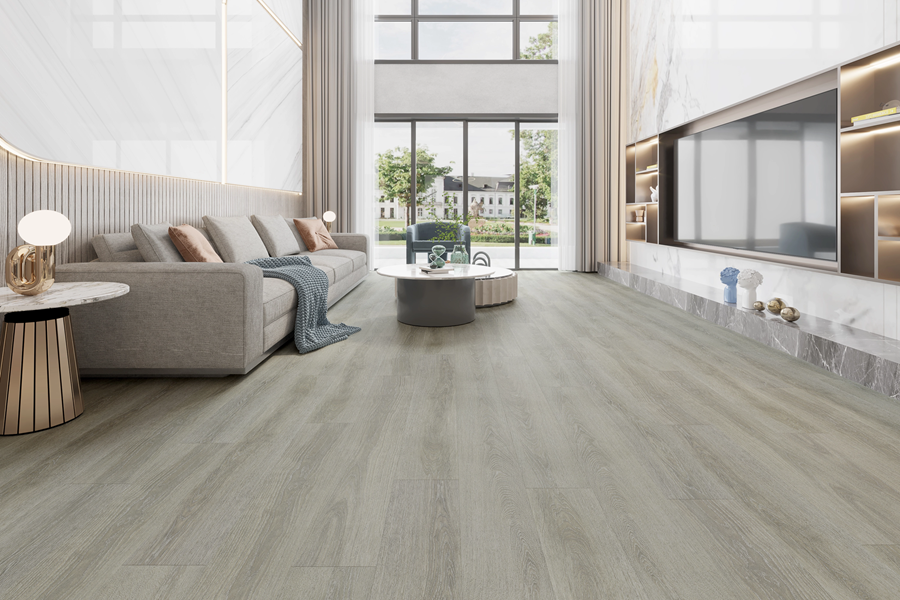
LVT is a multi-layered, unbreakable, scratch-proof, and water-resistant surface. Since its introduction in the 1970s, this man-made vinyl flooring has taken the flooring industry by storm for its design versatility, various formats (tiles and planks), and long-lasting usability.
Now imagine a flooring that looks & feels like expensive wood, ceramic, or granite but is entirely humidity-proof and extremely comfortable. Got the vision, this is LVT flooring.
2. Understanding LVT Flooring Structure & Construction
 LVT is made of PVC, plasticizers, and stabilizers; just the right components to survive Dubai’s sweltering & humid climate. With its several functional layers, it ensures years of flawless performance.
Transparent Top Coat: A urethane treatment that defends vinyl stone and wood flooring from surface scratches and spills.
Wear Layer: PVC or PU wear layer that ensures the LVT’s durability and provides further wear protection.
Photographic Layer: A 3D design sheet printed to duplicate wood planks and jagged stone tiles realistically.
Flexible Vinyl Core: A rigid polymer base provides ultimate structural stability to vinyl flooring.
Backing Layer: For an ergonomic walking experience, vinyl tile flooring features a cushioned end layer.
3. What Are The Types Of LVT Flooring?
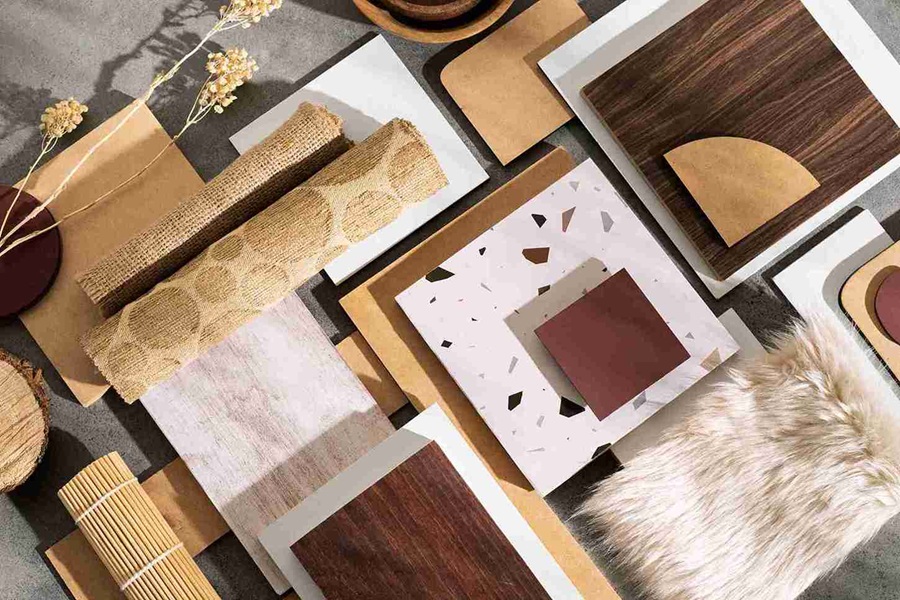 Luxury vinyl flooring comes in several kinds, based on core type, installation, and design, each created to suit a variety of needs.
A. Click Lock LVT
B. Glue Down LVT
Adhesive-down vinyl flooring offers the best stability, as it does not bounce or shift when stepped on. There is only one catch: The hassle of applying glue directly to it, which requires careful planning and precision.
C. Loose Lay LVT
For installation in temporary settings and fast results, loose lay vinyl is unarguably the most suitable option. And when you shift, you can easily remove and take these vinyl tiles with you. What makes it stand out is that this type of surface is fixed in place by friction alone, rather than by glue.
D. Peel And Stick LVT
This luxury vinyl flooring has a sticker-like backing that is surprisingly strong. This option is good for every room, but its ideal application is in low-use areas. Homeowners and commercial property managers buy this flooring to save on the initial and installation costs.
4. Features & Benefits Of Luxury Vinyl Flooring
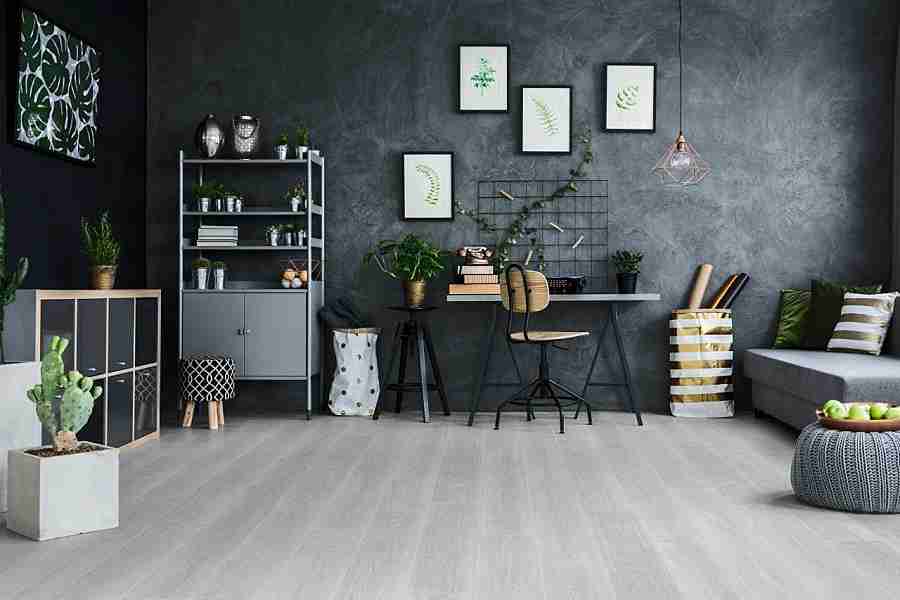 LVT flooring offers remarkable water resistance, conductivity, and wear resistance, along with many other unique advantages, making it an excellent alternative to high-end flooring.
1) Waterproof Nature
Of all flooring options, these tiles are the most popular in wet rooms due to their exceptional resistance to moisture damage. Vinyl wood tiles feature an impermeable top surface that prevents liquid from soaking in. Unlike laminate, which has a wood core, the PVC base of LVT does not swell or buckle when exposed to humidity. For the best quality and variety, many homeowners turn to a reliable SPC Flooring in Dubai
2) Inherently Flame Retardant
LVT is resistant to both earthly elements, i.e., water and flame. And this is the secret behind vinyl’s long lifespan. Luxury vinyl is a “self-snuffing” material, meaning it can extinguish flame on its own and slows the spread of fire. Because of this noncombustible nature, people like to install vinyl planks and tiles over radiant heating.
3) Feel Soft On The Feet
This flooring material is strong, just like any wood or stone, but feels extremely soft to the feet. The science behind LVT’s ergonomic nature is simple. Its flexible, cushioned layers provide a “bounce-back” effect that reduces muscle pressure and discomfort when standing for long periods.
4) Pet-Friendly Choice
If your place has cats or dogs, you’d be aware of how tough hygiene cleanup can be. You need a special type of flooring that does not hold odors, stains, or dents easily. LVT flooring fulfills all these requirements and is the ideal surface for households with domestic animals.
5) No Hollow Or Creaking Noise
One way you can distinguish between genuine and synthetic surfaces is how they sound when stepped on. According to this standard, LVT flooring becomes very difficult to tell apart from wood or ceramic, since it offers quiet steps. Though LVT is comparatively more economical, synthetic flooring does not feel cheap because of its sound-dampening property.
5. Weaknesses Of LVT Flooring
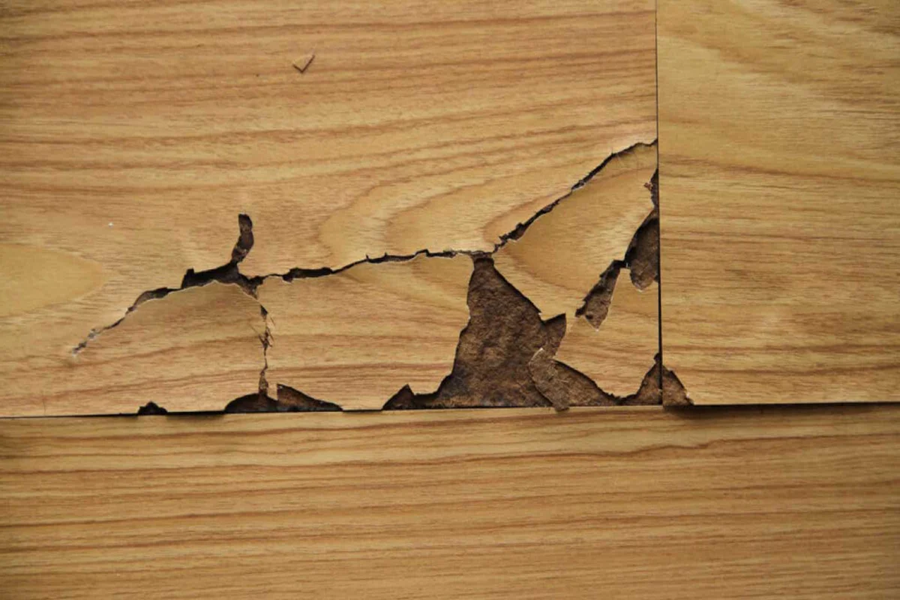 Like every good thing, LVT flooring has some weak points, which we have discussed in this section.
1) May Fade If Installed Outdoors
LVT is prone to sun damage and discolors easily, unlike natural stone and ceramics. Although you can still use these tiles indoors to enjoy years of worry-free performance.
2) Cannot Be Refinished Like Wood
If the image layer is scratched, you cannot sand it down to restore its appearance. Hence, any scratch or dent, once gouged in, becomes irreparable, and you’d need to replace that tile.
3) Not Eco-Friendly
Luxury vinyl planks are not the most health-friendly option, as they can release volatile gases and fumes, posing risks for small children and pets. Some certified suppliers, like Nova Floor, offer non-toxic LVT flooring, while SPC Flooring Features provide a safer, durable alternative.
4) May Dent Under Heavy Furniture
Heavy appliances, such as a 100kg+ refrigerator or dining table, can cause permanent damage to luxury vinyl flooring. High pressure from such furniture can compress certain areas of the flooring, resulting in dents.
However, you can tackle this problem by choosing thicker LVT tiles and using furniture coasters or cushioned pads.
6. LVT Flooring vs Other Popular Floors | A Comprehensive Comparison
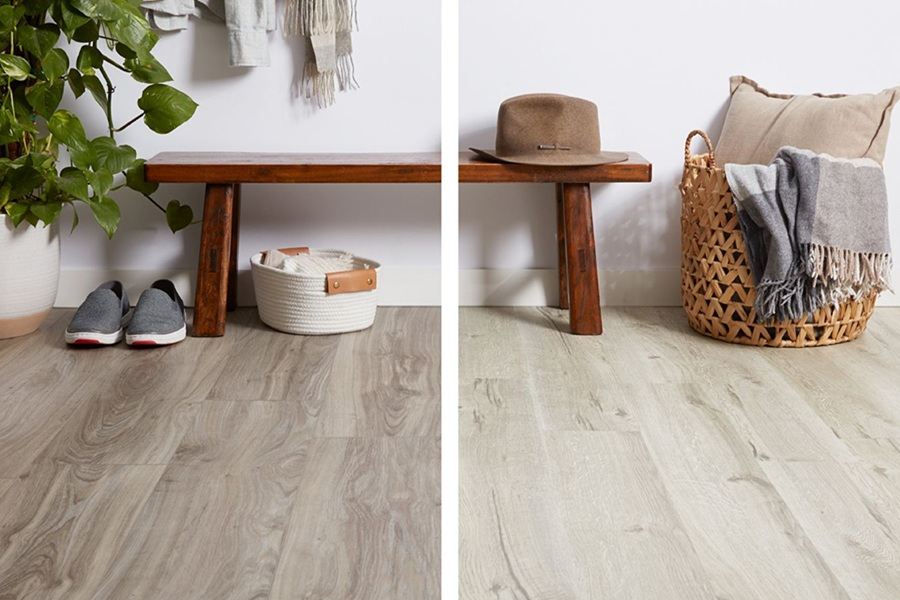
Here is a brief comparison of LVT flooring with three other popular flooring options in the UAE market.
LVT vs SPC
LVT offers better sound reduction and feels warmer than stone polymer composite flooring.
SPC is also water-resistant but does not retain heat as effectively and is not suitable for sound-sensitive places.
LVT vs Laminate:
LVT is more water-resistant, feels warm underfoot, and is better suited for washrooms & basements compared to laminate.
Laminate is prone to moisture damage, may feel stiff, is more affordable, and is used in low-traffic areas.
LVT vs Hardwood
LVT comes in a wood-effect style, which is more cost-effective than actual wood and requires simpler upkeep.
Hardwood has more resale value than LVT but is susceptible to mold and rot.
7. Where Can You Use LVT Flooring?
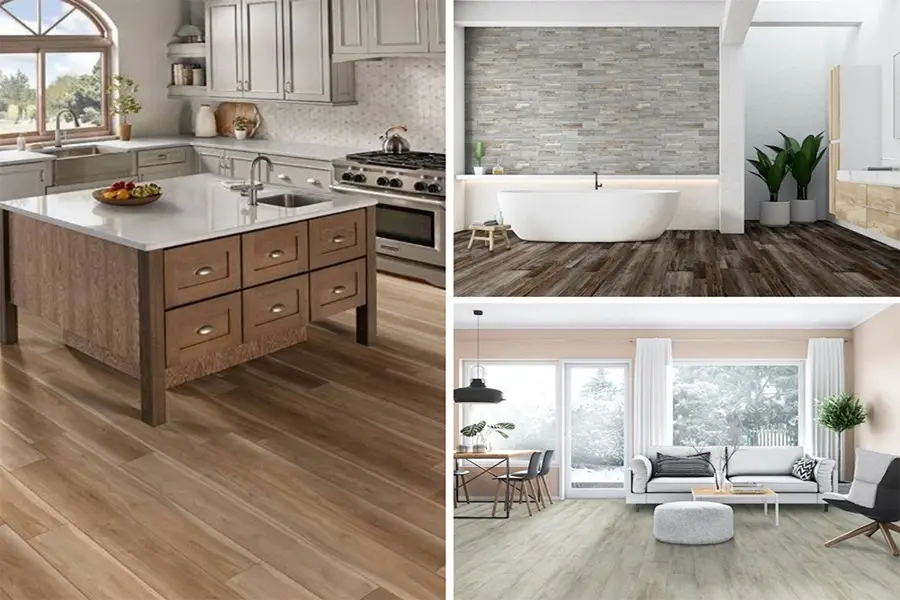 LVT flooring is designed for use in all living areas and medium traffic retail & industrial spaces. Use this moisture-proof & strong flooring in any of the areas that we’ve mentioned below for a reliable performance:
Best Residential Applications:
- Living Rooms
- Bedrooms
- Kitchens
- Bathrooms
- Laundry Rooms
- Basements
Ideal Commercial Uses:
- Offices
- Showrooms
- Retail Stores
- Hotel Rooms
8.How To Properly Clean & Maintain LVT Flooring?
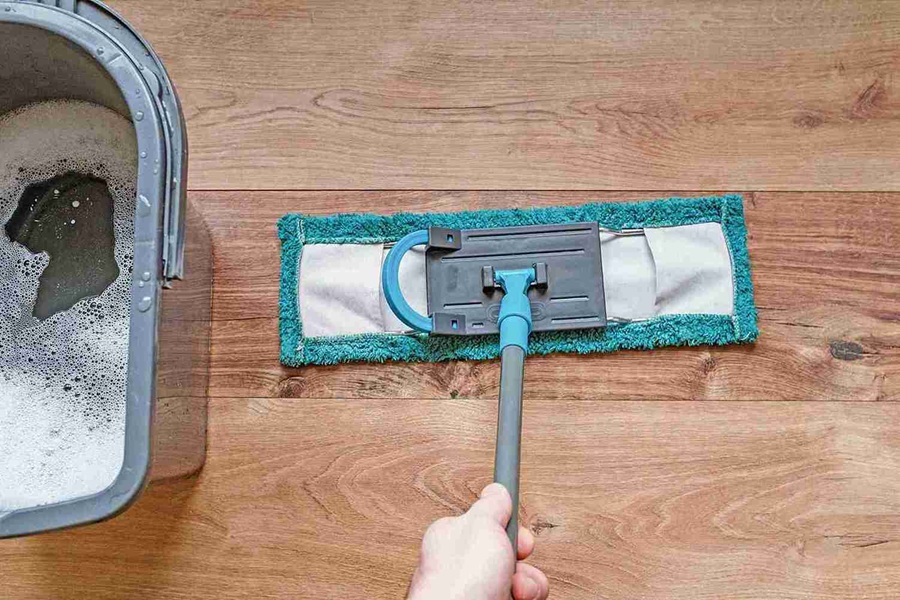 Its minimal maintenance requirements have boosted its market appeal and made LVT one of the top-selling flooring options.
Best Cleaning Products:
- Microfiber Mop
- Vacuum Cleaner
- pH Neutral Detergent
- Gentle Dishsoap
- Vinegar & Water Mixture
Daily Cleaning Tips:
- To keep LVT neat for everyday use, sweep or vacuum the surface thoroughly.
- If you notice spills on vinyl, apply talcum powder or a towel over that area.
- To deal with grease, you may mix dish soap with water and spray it on that part of the floor.
What To Avoid:
- Steam and wet mops are a big no for luxury vinyl tiles, as they can cause stubborn wet spots.
- Do not get any LVP cleaner that contains ammonia, bleach, or wax if you want to preserve your flooring.
9. Steps For LVT Installation
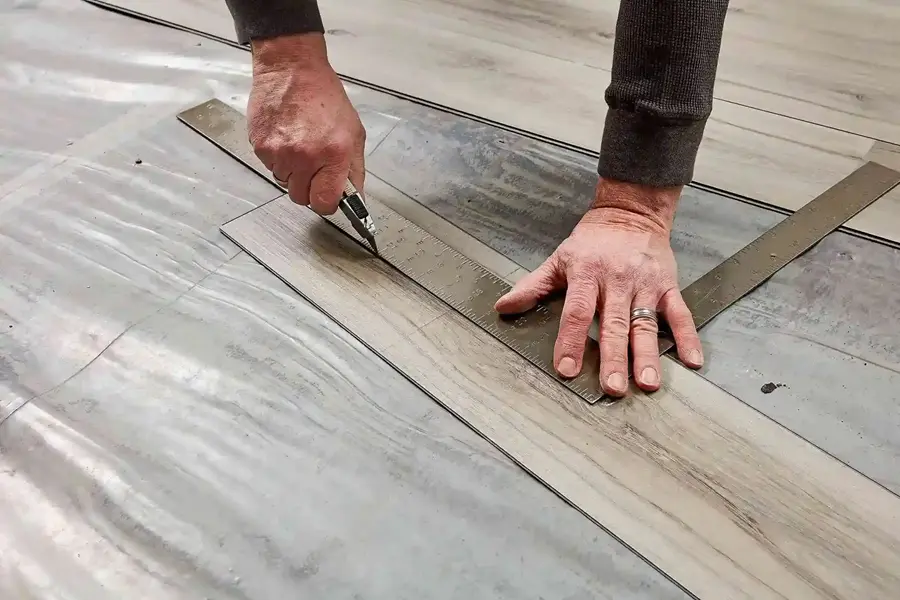 Want to lay LVT yourself without errors, but have no DIY experience? We’ve brought a detailed LVT fixing guide with action-oriented steps for beginners.
Step 1: Gather Tools For Installation
- Spirit Level
- Tape Measure
- Pencil
- Knife Or Saw
- Mallet
Step 2: Acclimatize
Before fixing, follow this preliminary step for a worry-free experience. Let the vinyl tiles rest in the room temperature for at least one day. Similar to washing a fabric before sewing, this step allows LVT to shrink or expand and ensures a proper fit.
Step 3: Floor Preparation
Sweep and wash the floor, and make sure there is no debris left before laying down your LVT. Otherwise, the leftover dust particles can act as sandpaper, slowly scratching the vinyl’s surface.
Step 4: Plan & Mark
Measure the floor’s area with a measuring tape—twice for accuracy—and lay the vinyl tiles in your preferred pattern, such as herringbone or zigzag. Use a spirit level and chalk to make straight markings in the designated areas. Explore more about Flooring Dubai for professional options and guidance.
Step 5: Install LVT Flooring
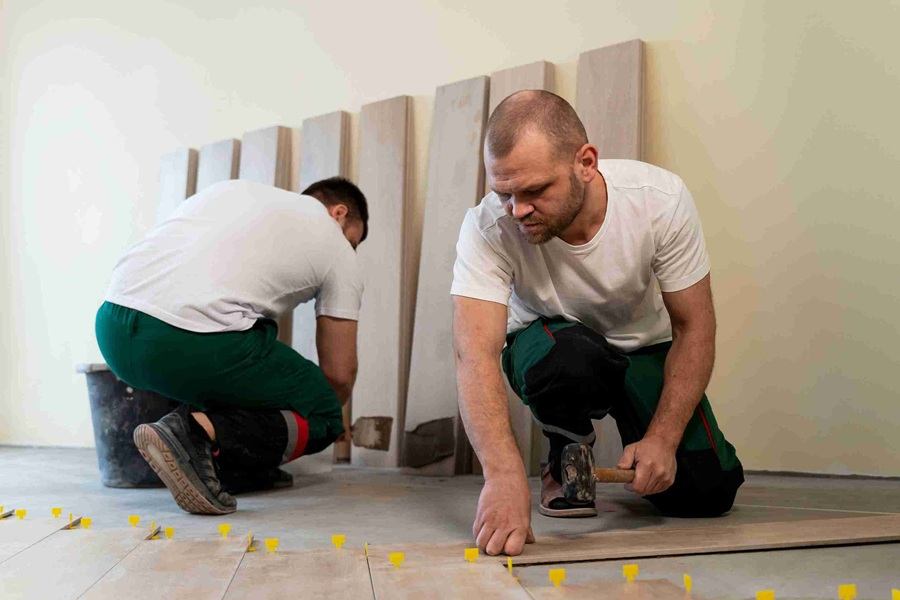
Start installing luxury vinyl tiles, beginning from the first row to the final one. You must use the appropriate technique, such as interlocking or peeling and pasting, and may secure the tiles in place by applying pressure with a mallet.
Conclusion:
LVT flooring, with its waterproof and durable nature, can make a great addition to any home or business. It offers several practical advantages, along with providing the visual appeal of wooden or tiled floors. This guide has informed you about the designs, pros, cons, maintenance needs, and installation methods of LVT flooring. We hope this article helped you understand whether luxury vinyl flooring is a good match for your property and lifestyle needs.
Frequently Asked Questions
Is LVT And LVP The Same Thing?
LVT and LVP have the same components & construction but differ in shape and style. LVP, or luxury vinyl planks, imitate wooden planks and are thicker and longer than tiles. LVT flooring is rather square-like and shorter in length, and these mimic stone tiles.
Is LVT Flooring Truly Moisture-Proof?
Yes, LVT is extremely humidity-resistant, because its many layers create a moisture barrier. However, if water stays on the flooring for more than 72 hours, it may cause the flooring to deteriorate.
How Long Does Luxury Vinyl Flooring Last?
A good quality LVT flooring may last for two to three decades before it shows visible damage. The lifespan varies slightly depending on the core material, its thickness, and whether it is installed accurately and routinely cleaned.
What Is The Drawback Of LVT Flooring?
Since LVT is actually not a high-end flooring, it does not have much resale value and won’t add to your property’s market price. Moreover, LVT requires extensive floor preparation before installation and may release VOCs or irritants into the air.