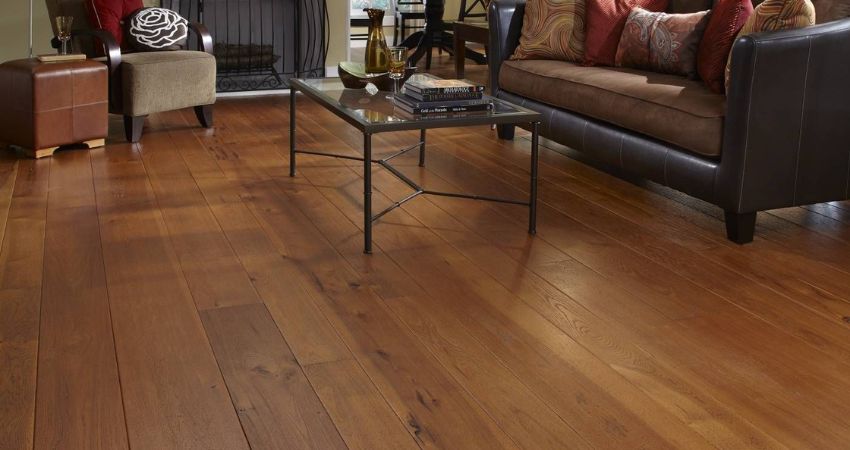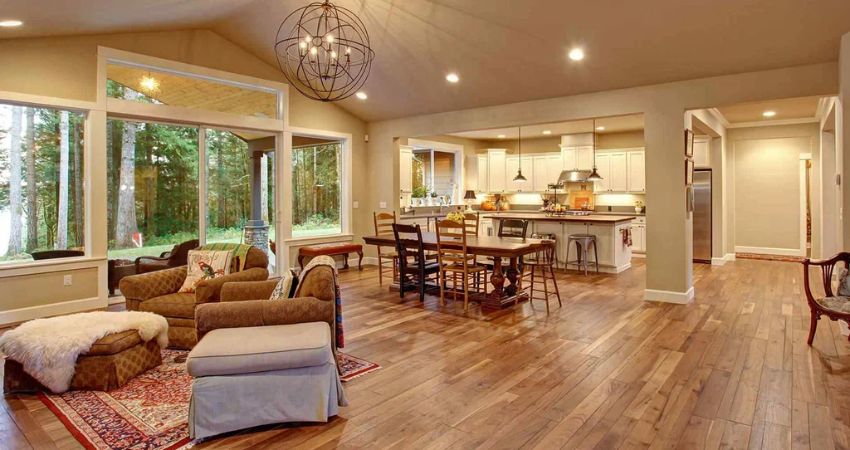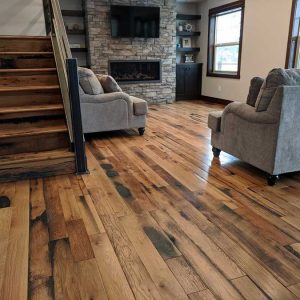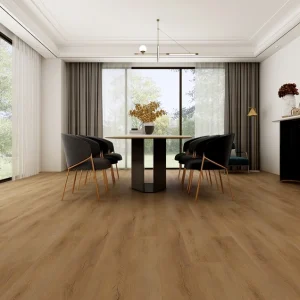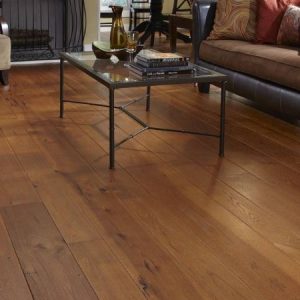
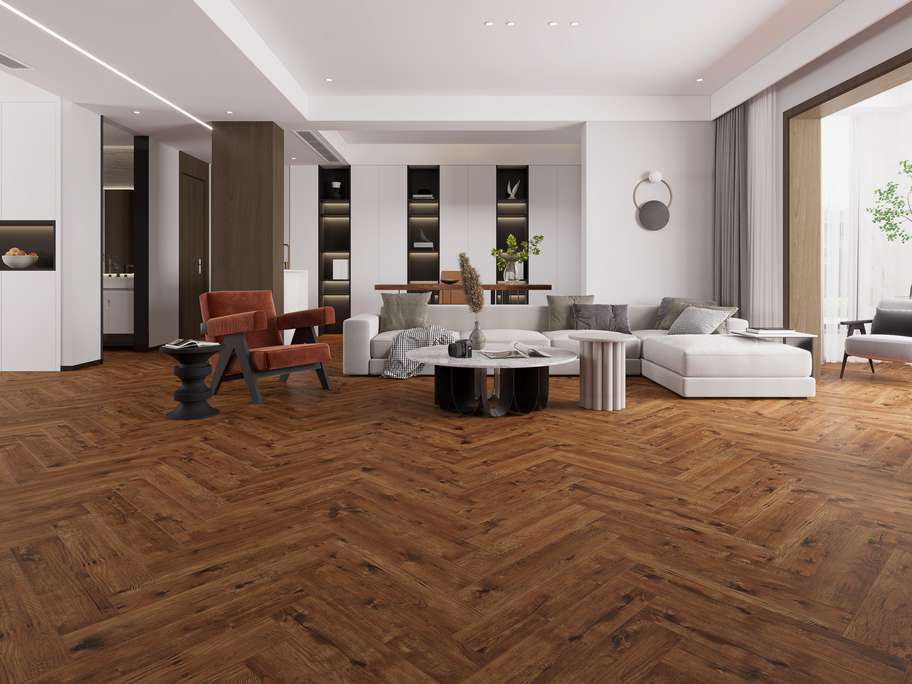
SPC, an acronym for Stone Plastic Composite flooring, has multiple layers & unlimited uses. Made from a unique blend of limestone, PVC, and stabilizers, it has all the ingredients to make it the perfect residential and commercial flooring. This indoor flooring is as inexpensive as vinyl & laminate and defeats the competition with its 100% waterproof & exceptionally strong nature.
Are you considering choosing this popular SPC as a foundation for your home or commercial property? Before you invest, read this comprehensive guide to its features, pros, and cons. We’ll help you decide whether SPC is the right option for your lifestyle, climate, and functional needs.
What Does SPC Stand For?
SPC is a modern flooring solution and is a short form of Stone Plastic Composite Flooring, usually referred to as Stone Polymer Flooring. An invention of the 21st century, SPC has become the top pick of landowners & DIY‑enthusiasts. Choosing SPC flooring in Dubai has grown especially popular because its unique construction offers durability in both residential and commercial spaces. At a cost‑effective rate and with less maintenance labor & time, it makes bedrooms, living rooms, and kitchens look warm & cosy and provides an enjoyable underfoot experience.
SPC Flooring Meaning & How It Is Made
SPC offers a complete solution, combining a waterproof core and topped with 5 layers that ensure it looks good, feels comfortable, and has a long lifespan.
A List Of Its Main Components:
- UV Coating: To survive in the UAE’s weather, it features a UV-resistant top layer that prevents discoloration & deterioration.
- Wear Layer: A unique, transparent wear layer (typically aluminum oxide) that protects the flooring from anything that can make it look aged, like scratches and dents.
- Printed Layer: This is the most important layer, aesthetically. It has an HD photograph of wood, ceramic, stone, or another material, made to look real using embossed-in-register technology.
- Core: A stable & rigid core that mixes nearly 60% calcium carbonate (stone) with 20–30% polymer.
- Underlay: Below this strong center, an EVA foam underlayment provides a comfortable walking experience.
Key Features Of SPC Flooring | The Biggest Advantages
Check the top features of SPC flooring mentioned below:
100% Waterproof
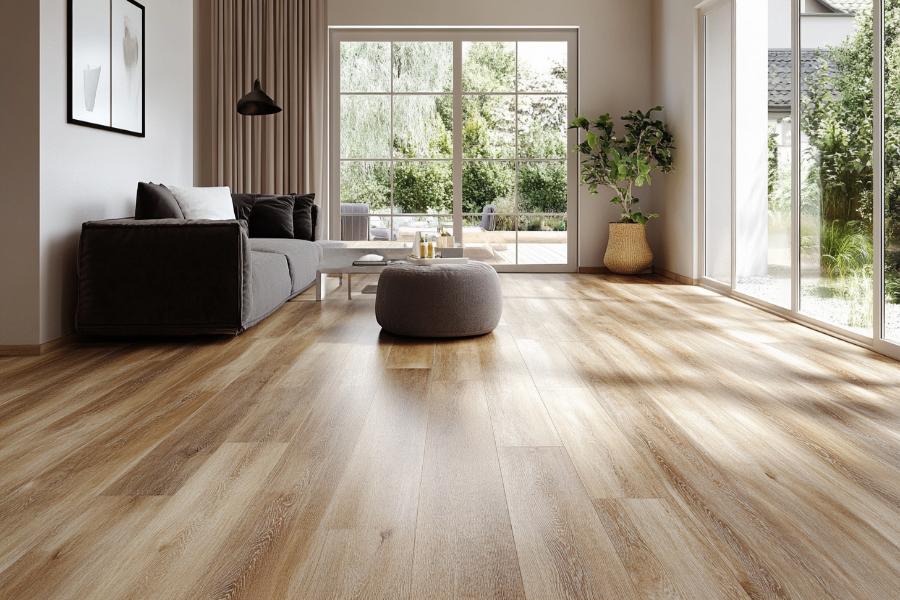
The non-porous top surface has made SPC a highly sold option in Dubai. Let us explain why. The sealed surface does not soak accidental liquid spills or pet messes, which ultimately reduces your cleaning hassle. Besides resisting swelling, this impermeable flooring material also prevents the growth of germs and mold.
Handles Temperature Changes
The composite flooring does not crack under swinging temperatures and offers excellent thermal stability. For instance, this flooring would not expand, unlike wood or laminate, when exposed to heat in sun-drenched rooms. Similarly, it would not shrink, buckle, or warp in cold rooms, such as basements. Homeowners looking for durable options can visit a reliable LVT Flooring shop in Dubai to explore a wide range of high-quality products that combine style and resilience.
This makes installation quick & straightforward by eliminating the need to acclimate the limestone-core flooring or leave gaps when fitting.
Impressive Dent Resistance
Have you ever wondered why most busy houses & shopping malls have SPC flooring? The logic is simple: the flooring’s ability not to show scratches and dents. Due to its many layers, heavy foot traffic, dropped weight, rolling tires, and moving furniture create minimal impact on the flooring’s appearance. Pet owners love SPC floor surfaces for their ability to resist scuffs from sharp animal nails. For those looking to combine durability with style, vinyl flooring in Dubai offers a perfect solution that delivers both resilience and a modern look.
Safe & Flame-Retardant
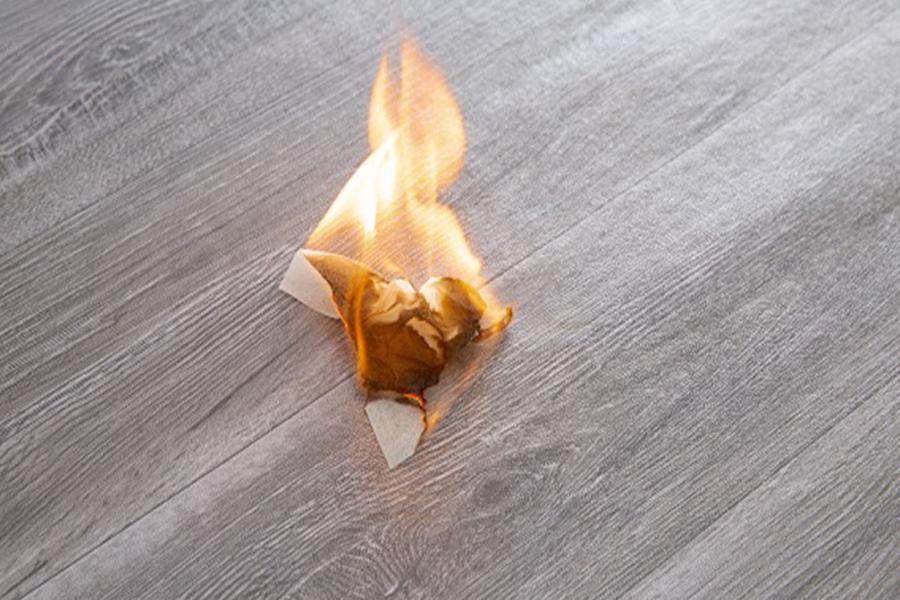
One of the most underrated features of stone polymer flooring is its superior fire resistance. In fire accidents, this flooring extinguishes itself and releases fewer fumes. Stone plastic flooring has achieved an impressive Class B1 fire rating because of its noncombustible nature. This means you can lay SPC over your radiant underfloor heating without worrying about it catching fire.
Conceals Subfloor Irregularities
This flooring creates a flat surface over small dips and humps. Stone plastic composite flooring covers small underfloor imperfections, allowing you to achieve a smooth foundation. And if your SPC tiles have underlayment, it can mask the subfloor irregularities even better.
Free From Toxins
SPC is among the most health-friendly flooring options, especially if you buy it from a certified retailer like Nova Floor. It is free of formaldehyde and does not emit VOCs (volatile organic compounds), making it a safer option for homes with children and older adults.
Low Cost Option
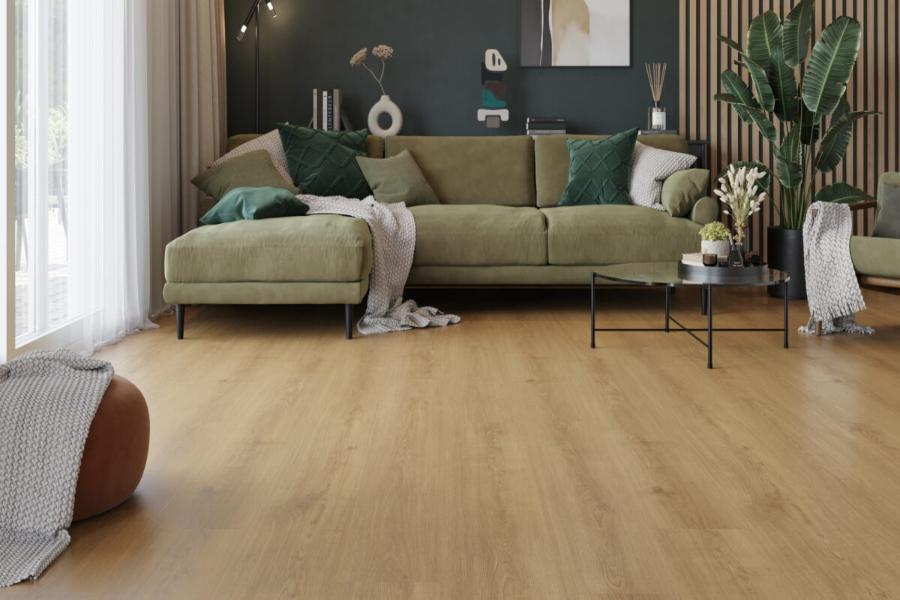
If you want to make a long-lasting home foundation on a smaller budget, only SPC flooring can make it possible. The average SPC cost in Dubai per square foot is as low as AED 8 to 10 (approximately AED 80 to AED 100 per square meter).
Cons Of SPC Flooring | The Real Cost
Below, we have listed some drawbacks of SPC floors
Feel Cold Underfoot
Stone plastic composite flooring is a poor insulator and does not hold onto heat. In winter, the polymer composite surface can feel extremely cold to the bare foot.
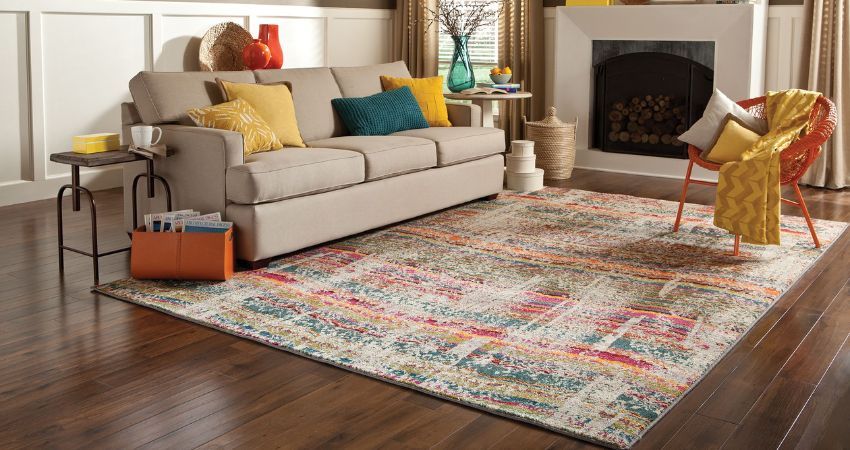
You can easily make SPC warmer by either laying a rug or carpet on top or a special thermal underlay beneath it.
May Cause Foot Fatigue
SPC flooring’s durability is a double-edged sword. On the one hand, it increases the flooring’s lifespan; on the other, it makes for an extremely hard walking surface. It feels rock-solid, unlike alternatives such as linoleum & ceramics, which may cause aching joints.
However, you can tackle the hardness by adding an extra underlayment pad or placing rugs in high-traffic areas.
Difficult To Mend
SPC planks cannot be sanded down or filled and are difficult to repair. If a center plank is severely damaged or breaks, the best solution is often to remove all the floorboards from the wall to the damaged area. Finding plank replacements in a similar color or shade is the most difficult task, which is why many homeowners turn to NovaFloor for expert guidance, high-quality SPC products, and professional support in Dubai.
To avoid this, you can order extra SPC floor boards in the same design for replacements.
Not Eco-Friendly
Among the biggest cons of SPC floors is its less recycling potential. This composite flooring ends up in landfills and does not decompose for hundreds of years.
Some flooring stores and facilities in the UAE have begun offering take-back programs to handle SPC board recycling.
Less Resale Value
Before you invest in stone polymer flooring, you must remember that it has little to no resale value. If you are aiming to renovate your property for sale or rental purposes, this flooring will not do much for your place’s market rate.
Yet SPC is still sought after because it offers trending flooring designs and a 20 to 30-year lifespan.
A Comparison Of SPC With Other Flooring Types
SPC vs LVT (Luxury Vinyl Flooring)
- SPC is stronger, impact-absorbent, and dimensionally stable.
- LVT is comparatively quieter, more ergonomic, and warmer.
SPC vs Laminate
- SPC is humidity-resistant, animal-safe, and more flexible.
- Laminate looks more like actual wood and less plasticy.
SPC vs Hardwood
- SPC is less prone to scuffs & is better suited for heavy-traffic settings.
- Hardwood has more potential to be refinished and lasts significantly longer.
SPC vs WPC (Wood Plastic Composite)
- SPC is a better choice if you want a more sturdy & cost-effective foundation
- WPC is an excellent option for noise dampening and underfoot cushioning.
Where Can You Use SPC Flooring?
Check the places that are most suitable for SPC flooring:
Living Rooms
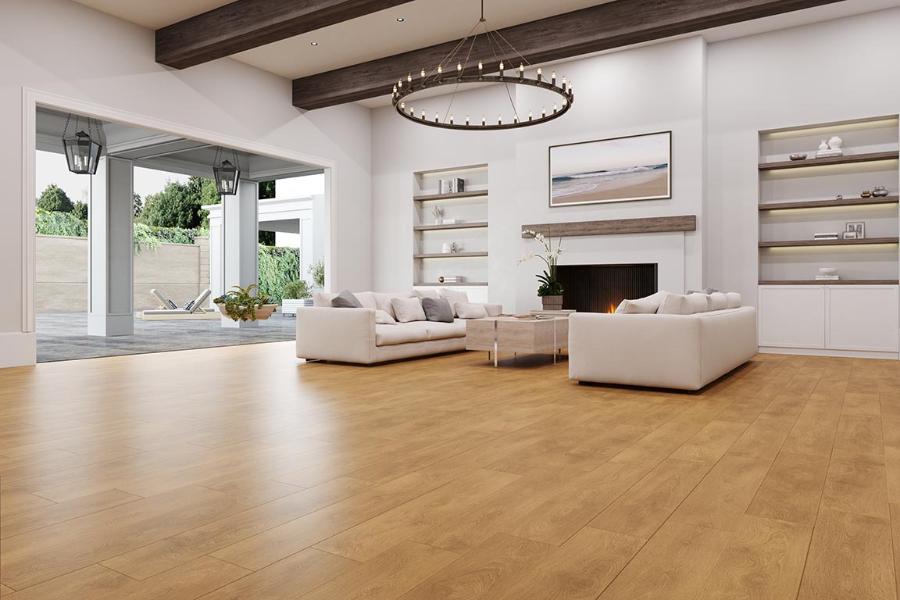
SPC boards resist everyday wear and tear and are an ideal surface for all living areas.
Moisture-Prone Rooms
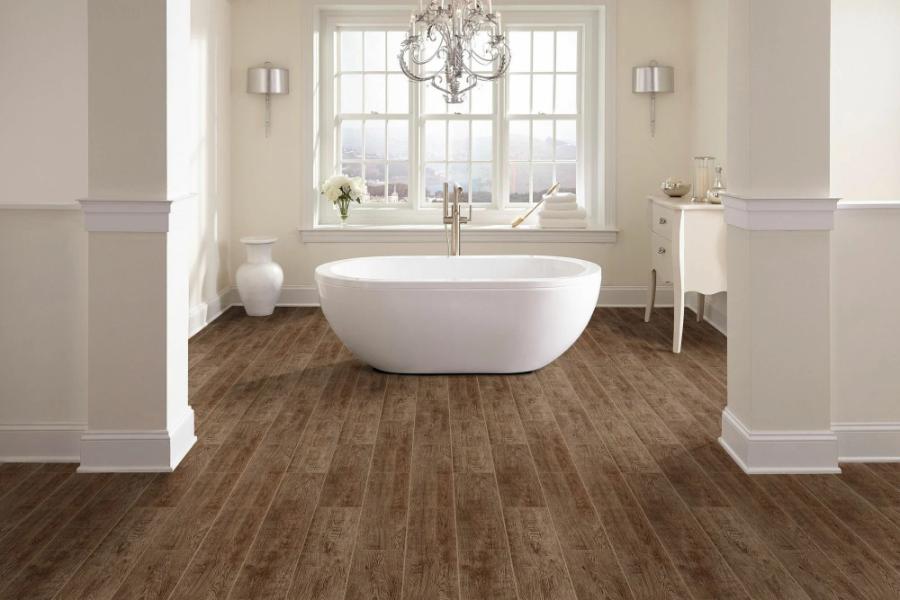
You can use these damp-proof planks in bathrooms, laundry rooms, kitchens & basements.
Shaded Outdoors
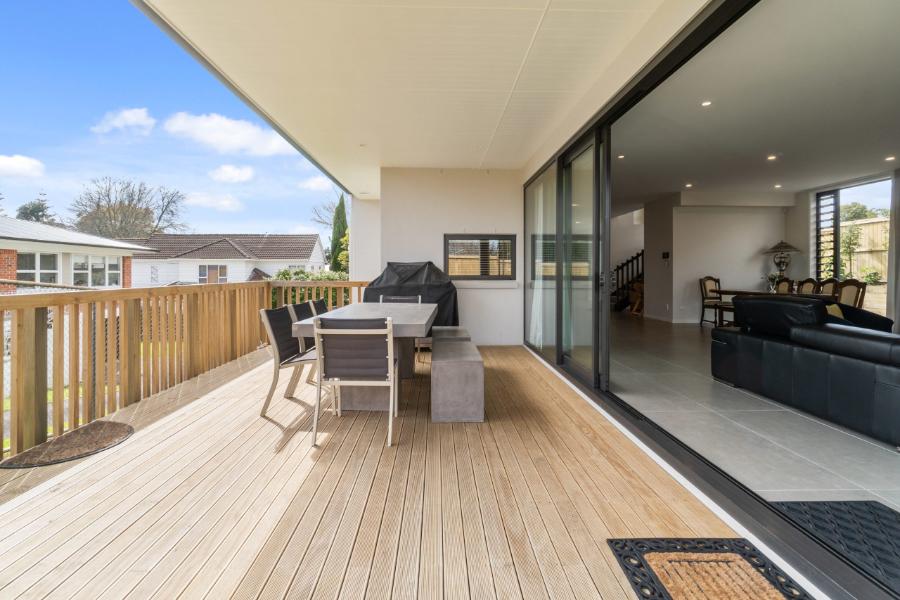
This stone polymer flooring is suitable for enclosed pergolas, balconies, and sunrooms.
Commercial Spaces
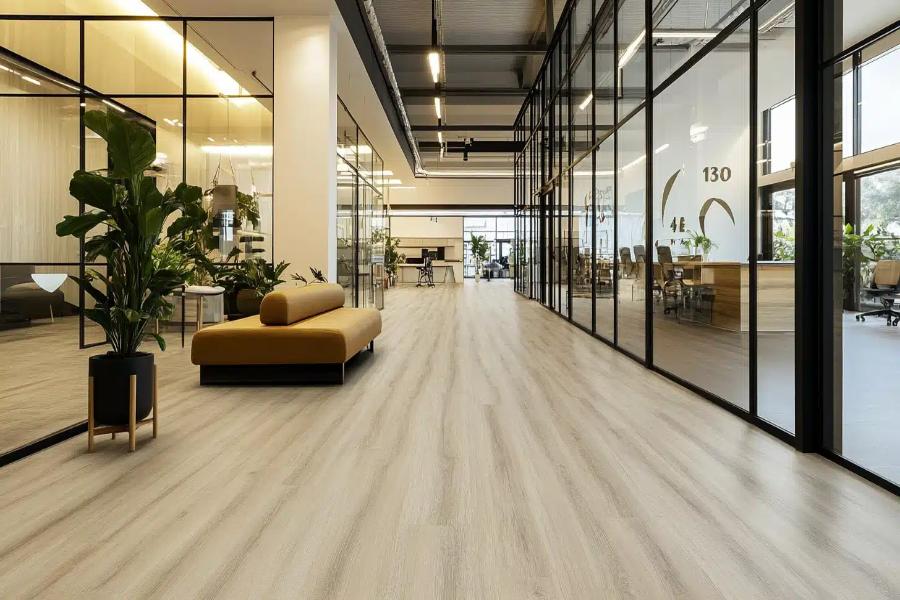
It handles traffic and offers a professional look in offices, retail stores, and showrooms.
Industrial Settings
This flooring withstands heavy use in warehouses, assembly rooms, and production centers.
How To Install SPC Flooring Like A Pro | Easy Steps
One of the awesome features of SPC flooring is its ease of installation. Even a beginner can achieve a professional-level SPC installation in a short period with household tools. Here’s the overview of the stone-plastic composite floor installation steps:
Step 1: Gather Tools
- Utility Knife
- Rubber Mallet
- Measuring Tape
- Chalk or Pencil
- Straight Level
Step 2: Prepare Subfloor
Wash and dry the underfloor thoroughly, and ensure it does not have major dents. This step is crucial to achieve a flawless & lasting stone polymer flooring installation.
Step 3: Click Lock Installation
Plan the installation pattern and make markings on the subfloor with a pencil or chalk and a straight level. Place the SPC boards in a way that the opposite edges, i.e., tongues and grooves, are aligned. Connect the SPC floor board edges and wait for a click sound. You can also secure them in place by knocking over the planks with a rubber mallet.
Common Mistakes To Avoid
- Thoroughly clean the subfloor of debris, as it can cause minor scratches on the SPC planks and lead to deterioration.
- Do not force the planks to connect or hit them with the mallet too hard. Otherwise, you are at risk of damaging the click lock system.
How To Take Care Of SPC Flooring?
Best Cleaning Tools:
- A damp (not soaking wet) mop is the best tool to care for SPC boards. It prevents water from seeping into the board seams and causing degradation.
- You should use flooring-specific cleaners that are labelled “pH-balanced”, “bleach-free,” and “ammonia-free” for stone polymer flooring.
Daily Maintenance Tips:
-
Wipe away the dust from the polymer flooring with a broom, vacuum cleaner (with a brush attachment), or a microfiber mop every day to maintain its shine and longevity, especially when choosing quality flooring in Dubai for your home or office.
- Use protective pads under furniture legs, or ideally, place area mats to protect SPC from daily scuffs.
What Not To Do:
- Never use steam-cleaning mops, as the extreme heat can warp stone-plastic flooring.
- At-home cleaning solutions, like a vinegar & water mixture, can make this surface sticky and hazy.
Conclusion:
SPC is the bridge between natural and synthetic floors, combining both durability and flexibility in one package. Its water-resistance, simple maintenance, and DIY-friendly installation have made this flooring surge in popularity in 2026. While it does not offer the best ergonomics or insulation, this flooring surface is still an affordable, attractive, and hard-wearing choice. As a leading SPC flooring company, we believe this flooring will remain in trend for years and is ideal if you are looking to remodel your home or commercial property.
Frequently Asked Questions (FAQs)
How Long Does SPC Flooring Actually Last?
You can expect stone polymer floors to last two to three decades. In homes, the surface remains usable for 20 to 25 years. In commercial settings, the stone plastic composite flooring may wear out faster and last 10 to 15 years. SPC flooring may offer an increased lifespan if you buy it from a reputable supplier and give it proper care.
Can SPC Be Installed Over Existing Floors?
Yes, you can install SPC planks over your existing ceramic, linoleum, or tile flooring if the former is stable and free from structural damage. However, you must not install SPC boards over any type of soft flooring (carpets) or floating floors.
Which Is Superior, SPC Or Tile Flooring?
SPC flooring is a superior pick if your priority is less maintenance hassle. These boards do not have grout lines and trap less dust, insects, and allergens, unlike tile. Tiles require high initial installation and maintenance costs.
What Are The Weaknesses Of SPC Planks?
SPC surfaces are highly resilient & visually appealing, but they still have a few drawbacks. Long-term moisture and sunlight exposure would still damage the stone plastic floor planks, making them swollen and discolored.