Noah Williams is an interior designer and flooring expert at Nova Floor. In Dubai, he helps people pick the right floor, get it installed, and keep it looking good. He also writes simple, practical flooring and home care guides for readers in Dubai and around the world.
What Is LVT Flooring? Benefits, Types, Costs & Installation
Noah Williams
Floors deal with many things every day. People walk on them, spill things on them, and place heavy furniture on them. Homeowners need flooring that can handle heat, humidity, and daily use without losing its look. This is why LVT flooring has become one of the most searched flooring options today.
In this guide by NovaFloor, you will learn what LVT flooring means, how it is made, and why it works well for homes and offices. This guide covers everything you need to know before choosing LVT for your next renovation.
Contents
What Is LVT Flooring & What Does the Term Mean?
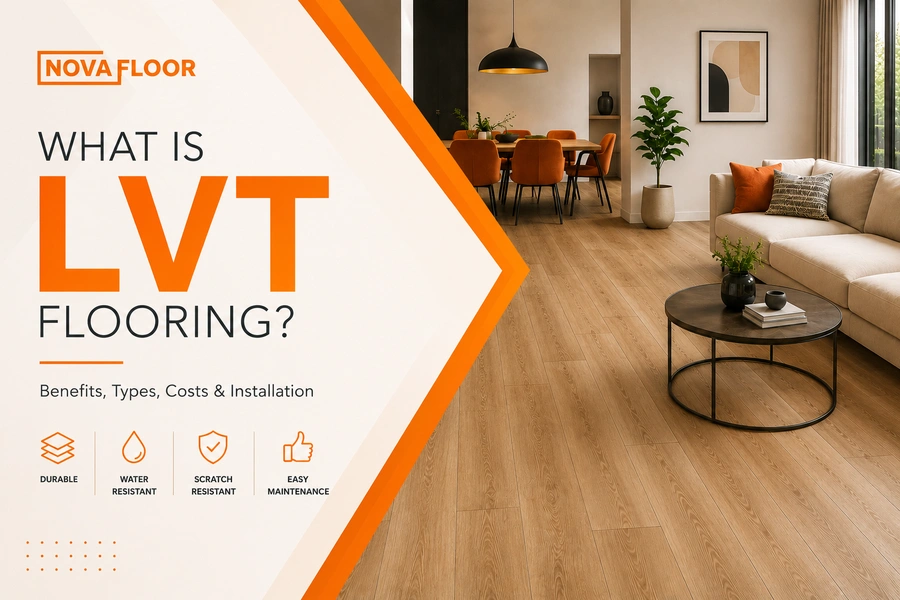
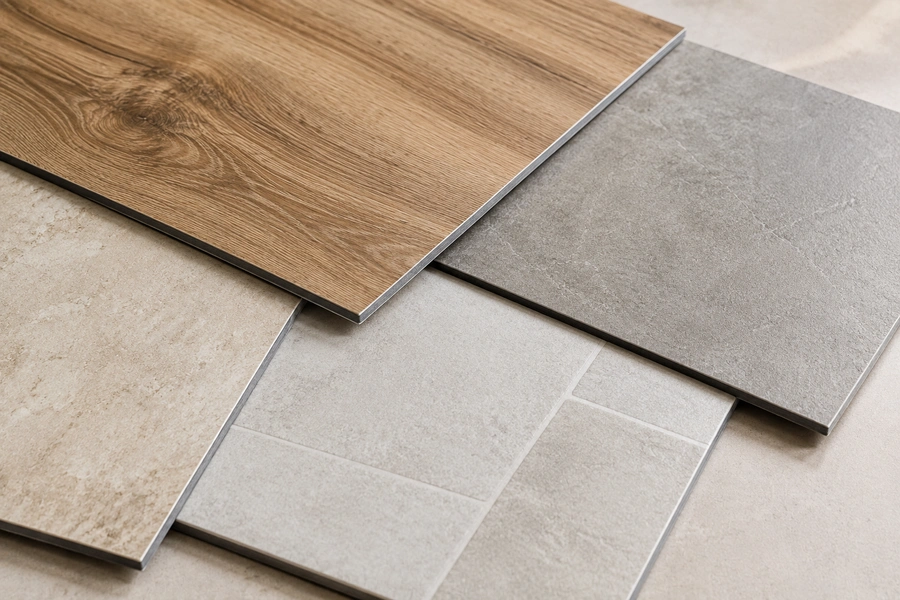 LVT stands for Luxury Vinyl Tile. It is a type of flooring made to look like wood, stone, or ceramic. High resolution printing creates realistic textures, wood grain, and natural colour variations.
The word luxury describes the design quality, not the price. Older vinyl flooring looked plain and flat. LVT flooring uses multiple printed layers to create a more natural appearance. It also comes in separate tiles, which is why it is called Luxury Vinyl Tile.
A similar product is LVP, which stands for Luxury Vinyl Plank. It comes in long planks instead of square tiles. Both products use similar core materials. Their main difference is the shape. A detailed comparison of LVT and LVP appears later in this guide.
What Is LVT Flooring Made Of?
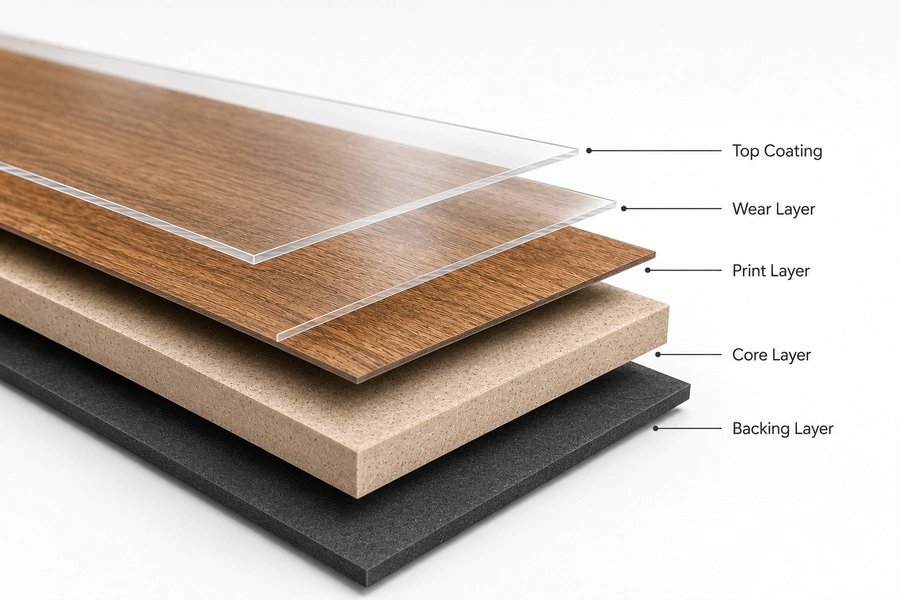 LVT flooring has several layers, and each one serves a specific purpose. This layered construction gives the floor its strength, durability, and finished appearance.
- Backing Layer: This bottom layer adds stability. It also helps the flooring stay flat on the subfloor.
- Core Layer: The core is usually made from PVC and limestone powder. This layer provides strength and rigidity.
- Print Layer: A printed film sits above the core. It creates the look of wood, stone, or tile.
- Wear Layer: A clear protective layer covers the printed design. It helps resist scratches, stains, and everyday wear.
- Top Coating: Some LVT flooring includes a urethane coating. This layer makes cleaning easier and adds extra surface protection.
All of these layers work together to create a durable flooring option for homes and commercial spaces. This construction also helps explain why LVT flooring lasts longer than basic vinyl sheet flooring.
Types of LVT Flooring
LVT flooring comes in several types, and each one fits different needs. The right choice depends on your room, budget, and preferred installation method.
Glue Down LVT
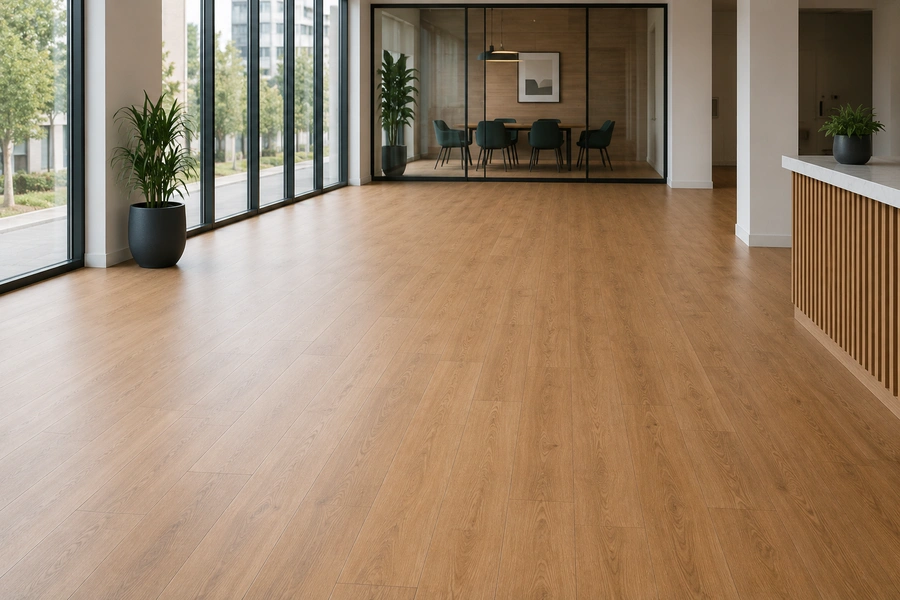
This type uses adhesive to secure each tile to the subfloor. It is a good choice for commercial spaces with heavy foot traffic.
Loose Lay LVT
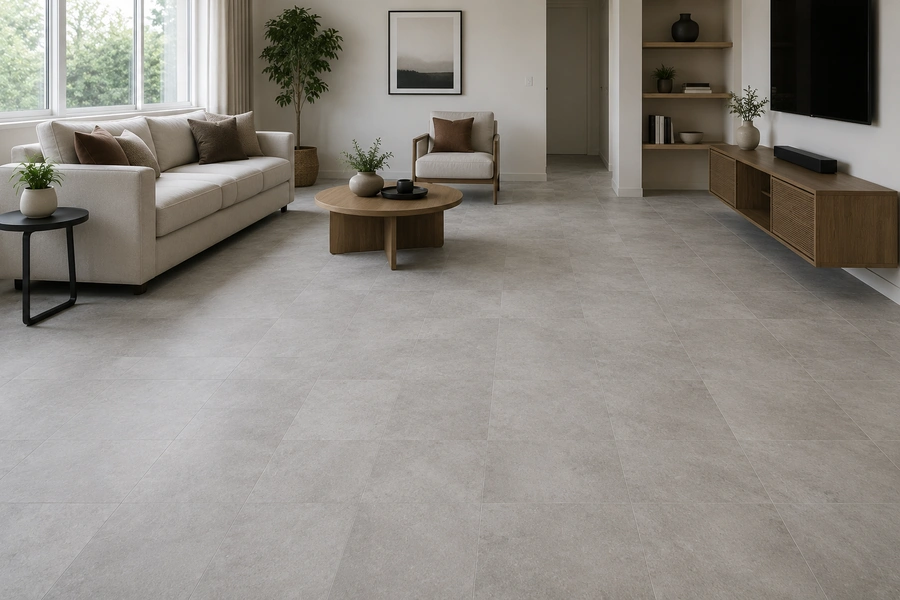 This type uses adhesive only around the edges of the room. The centre tiles stay in place through their weight and friction. It works well in smaller rooms with light furniture.
Rigid Core LVT
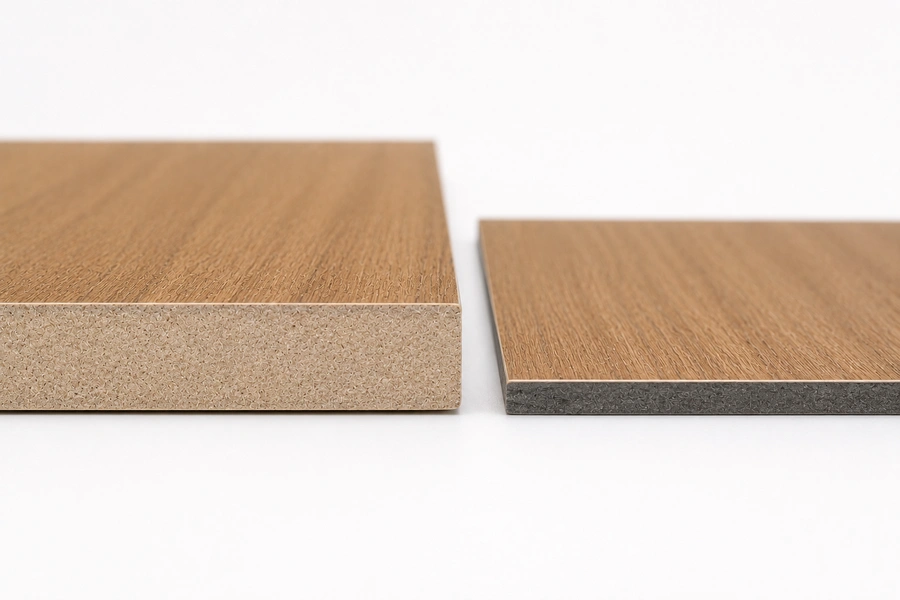 This type has a thicker and stronger core than standard vinyl. It helps resist dents and performs well on slightly uneven subfloors.
Click LVT
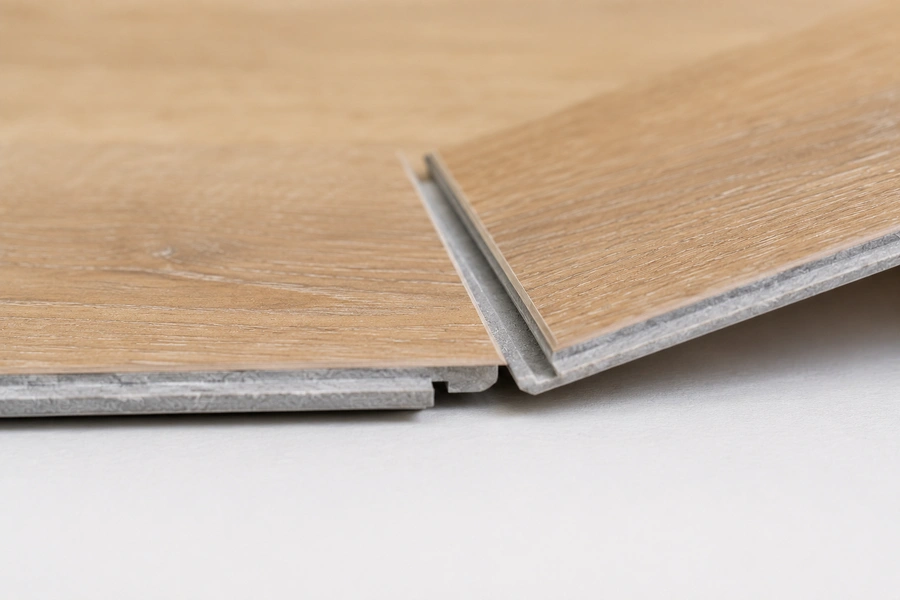 This type uses a locking system instead of glue. The tiles click together, making installation easier for DIY projects.
Each type offers different benefits for cost, durability, and installation. The best option depends on the room, subfloor condition, and expected foot traffic.
How Is LVT Flooring Installed?
LVT flooring installation depends on the type you choose. Each option follows a different installation process.
Glue Down Installation
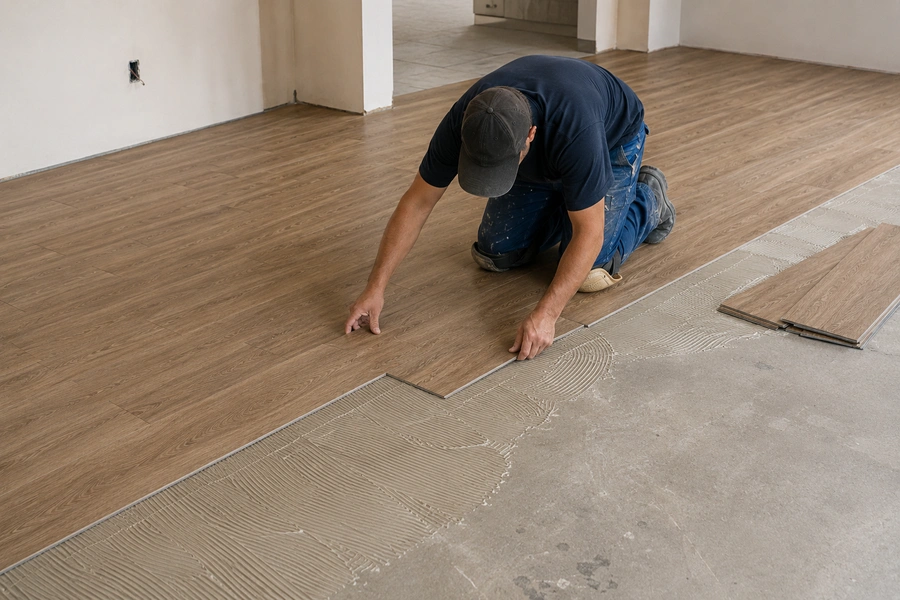 This method uses adhesive across the entire subfloor. Each tile is placed one row at a time. A smooth and clean subfloor is important before installation begins.
Loose Lay Installation
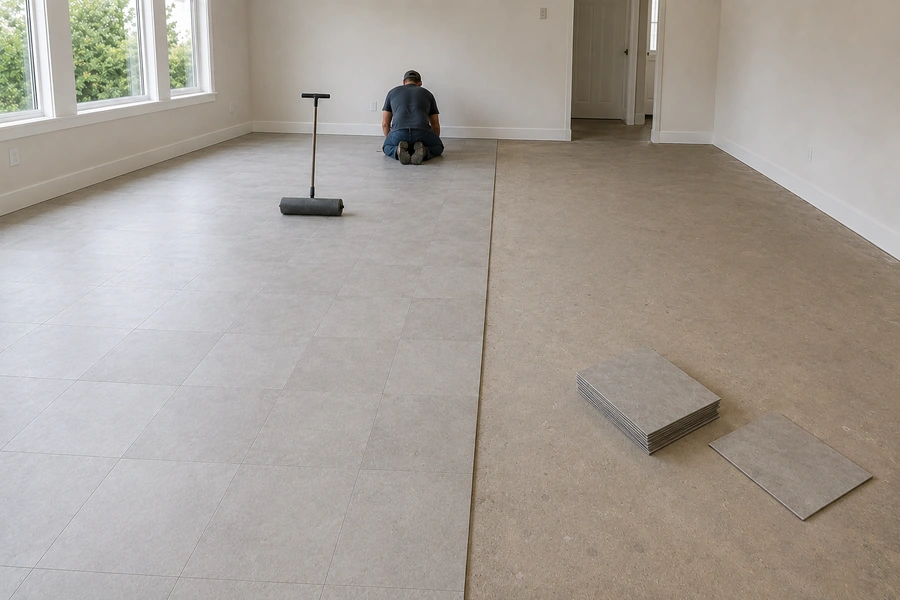 This method uses adhesive only around the edges of the room. The centre tiles stay in place without glue underneath. A floor roller helps keep the tiles flat after installation.
Rigid Core Installation
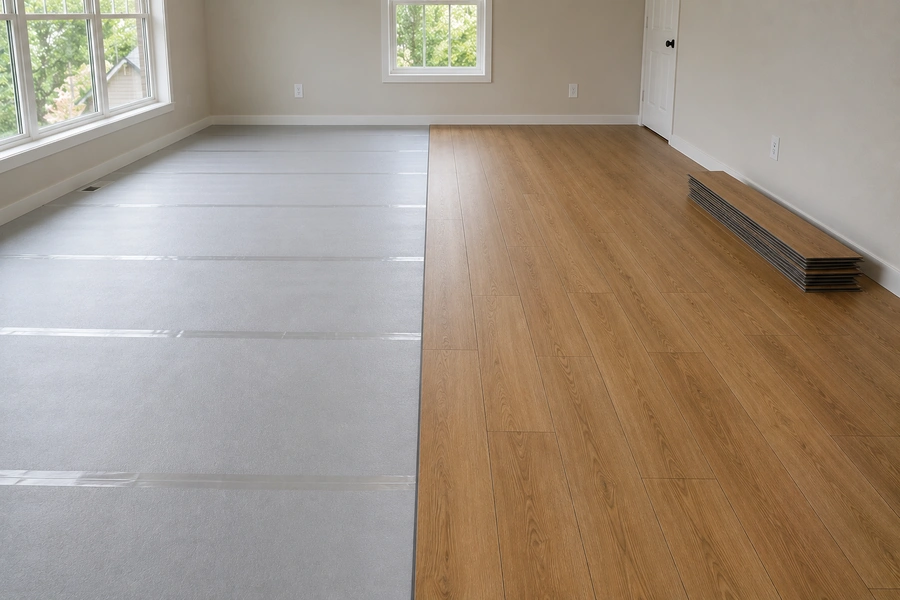 This method uses interlocking edges to connect the tiles. No adhesive is required during installation. A thin underlayment is often added first for extra support.
Click Installation
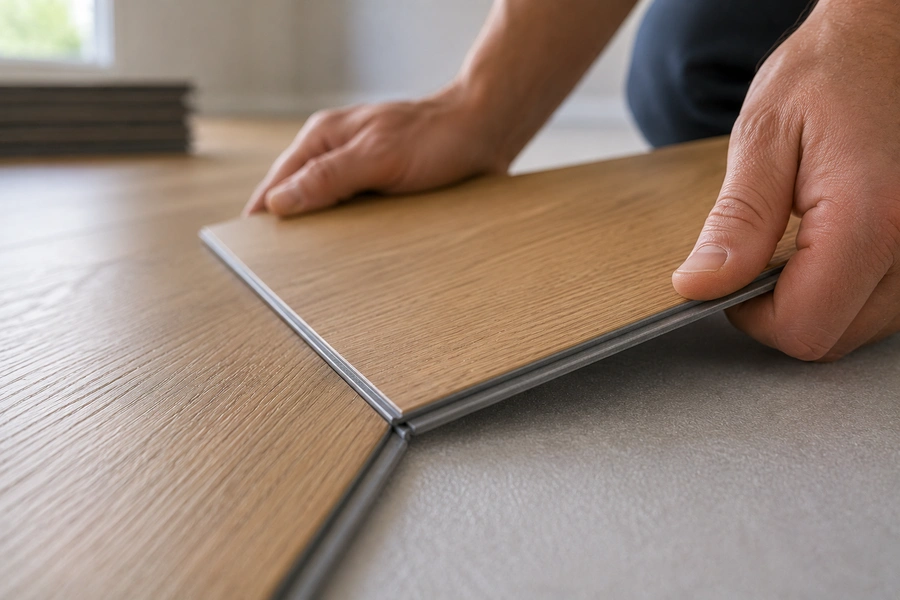 This method uses a tongue and groove locking system. Each tile clicks into the next without glue. Many homeowners choose this option for DIY installation.
A clean, dry, and level subfloor is important for every installation method. Proper preparation helps improve the final result and extends the life of the flooring.
Best Places to Use LVT Flooring
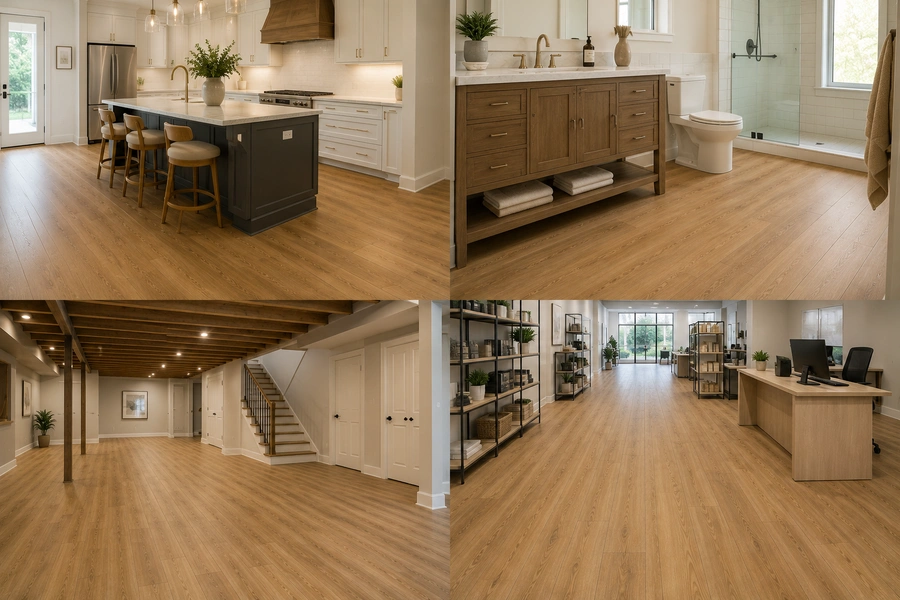 LVT flooring works well in many areas because of its water resistant surface. The best location depends on moisture, foot traffic, and daily use.
- Kitchens: Spills are common in this room. LVT resists water better than hardwood or laminate flooring.
- Bathrooms: Humidity and water splashes happen every day. Properly installed LVT flooring helps prevent warping.
- Basements: Ground moisture can affect many flooring materials. LVT performs better than natural wood in these conditions.
- Offices and Retail Stores: These spaces experience constant foot traffic. LVT flooring handles daily use with less visible surface wear.
- Rooms with Underfloor Heating: LVT spreads heat evenly across the floor. It stays stable under regular heat without cracking or shifting.
LVT flooring is suitable for both residential and commercial spaces. Its versatility makes it a reliable flooring option for many different environments.
Want to compare LVT with other flooring options? Explore our complete guide to the different flooring types available in Dubai.
Benefits of Luxury Vinyl Tile Flooring
Several practical features make LVT flooring a popular choice for homes and commercial spaces.
Better resistance to daily wear
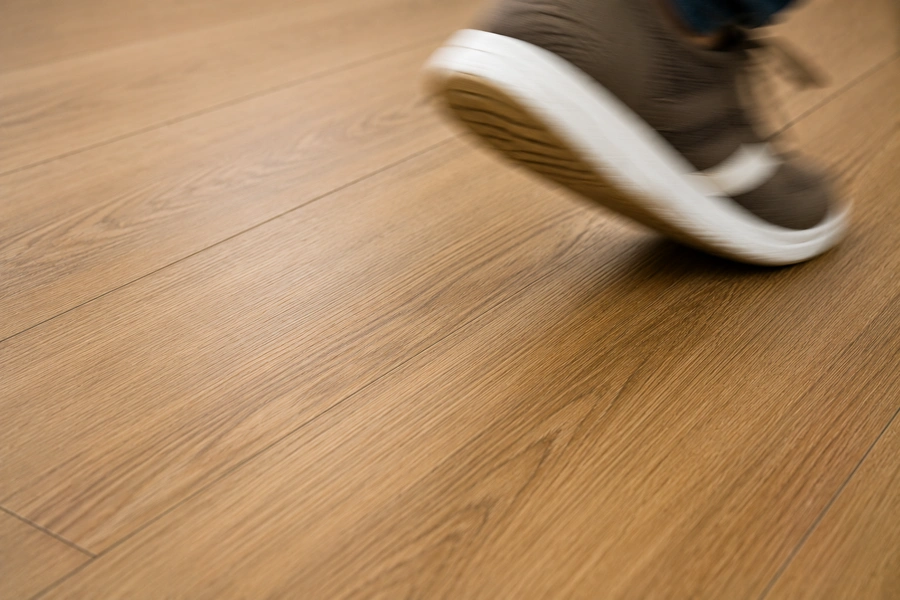 The wear layer helps protect the surface from scratches, scuffs, and pressure marks. Busy households and frequently used rooms benefit from this added protection.
Good moisture resistance
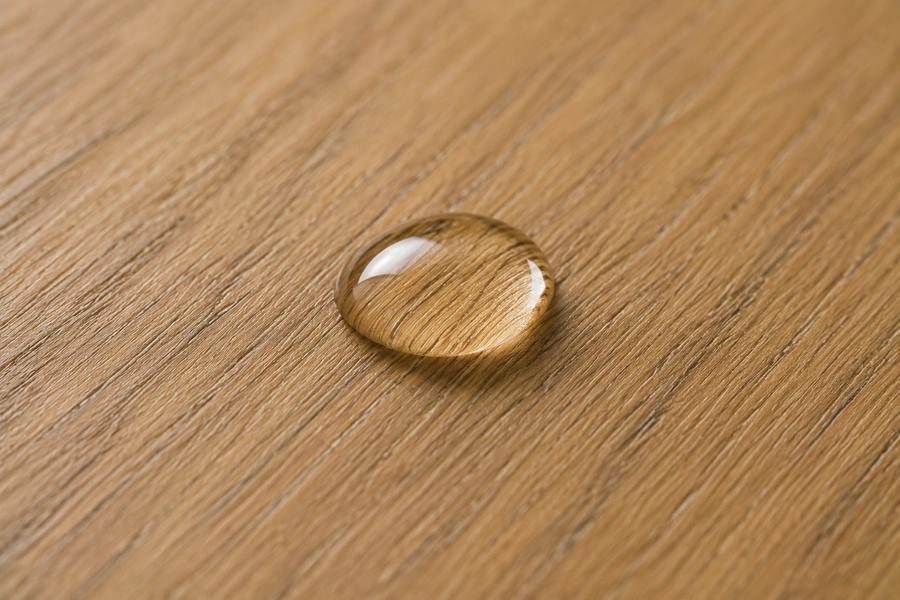
The surface does not absorb water easily. Kitchens, bathrooms, and other areas with occasional spills are easier to manage with LVT flooring.
More comfortable underfoot
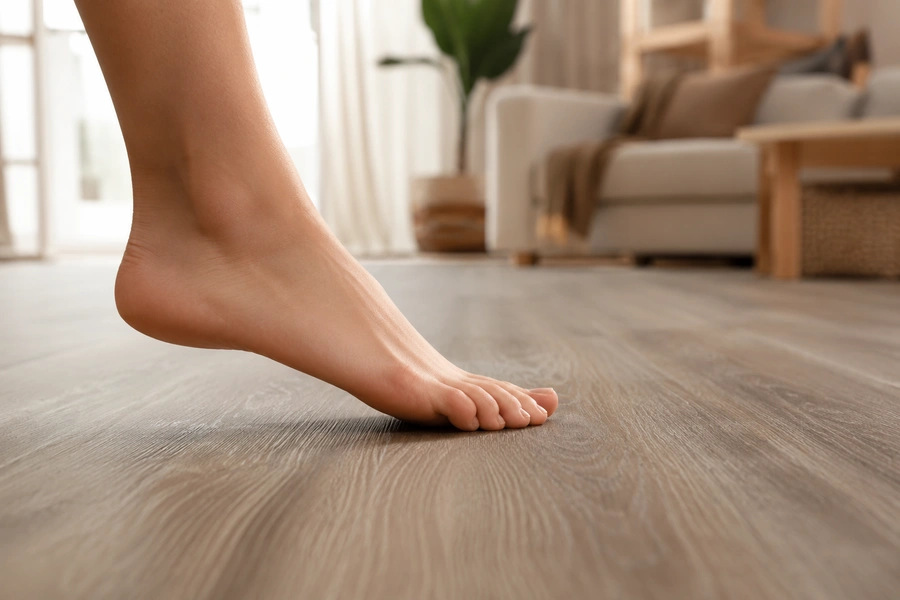 The layered construction creates a softer feel than stone or ceramic tile. Walking and standing for longer periods feels less hard on the feet.
Large range of design options
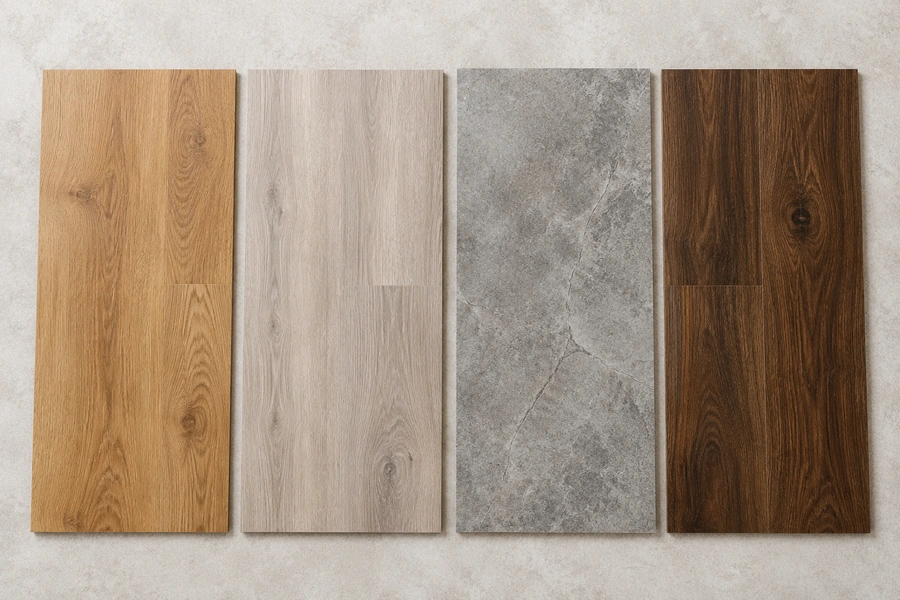 LVT flooring comes in many colours, textures, and patterns. Different styles work with modern, traditional, and minimalist interiors.
Simple regular maintenance
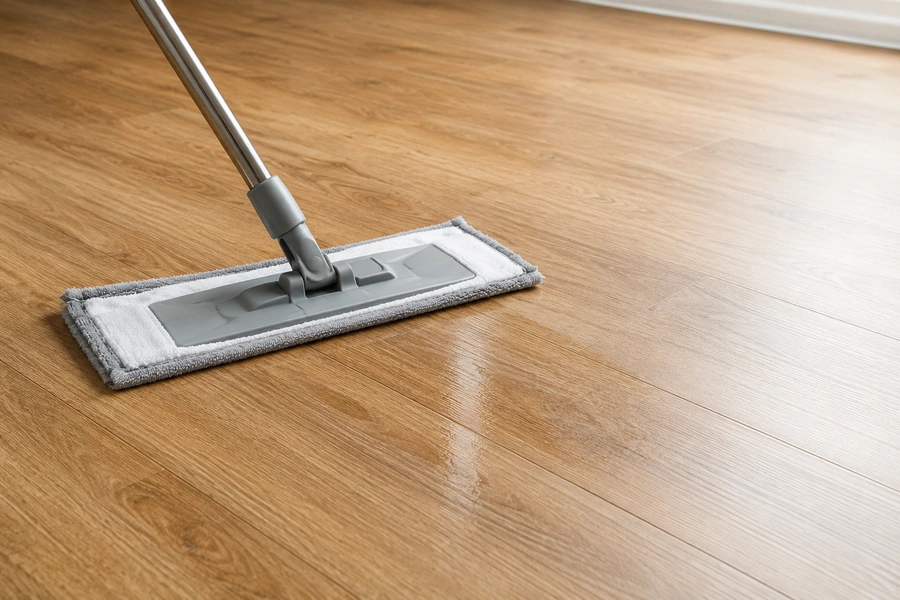 Routine cleaning usually needs only sweeping and occasional mopping. No sanding, sealing, or refinishing is required during normal use.
These features make LVT flooring a practical option for renovation projects in Dubai homes and offices.
Cost of LVT Flooring
The cost of LVT flooring depends on more than the tile price. Material quality, design, and installation requirements all affect the final cost.
| LVT Tier | Price Range (per sq ft) | Typical Features |
| Entry level | AED 30 to 45 | Basic designs and standard wear layer |
| Mid range | AED 45 to 65 | Better textures and improved durability |
| Premium | AED 65 to 80+ | Thicker wear layer and premium finishes |
The condition of the subfloor can also affect the total price. An uneven surface may need levelling before installation. Adhesive choice can increase material costs. Labour charges vary by installer experience and project size. Larger projects often reduce the cost per square foot.
These prices are general estimates and may vary by supplier, design, and project requirements. For a more accurate estimate, compare quotes from several flooring companies and explore SPC flooring options based on your project needs.
Common Myths About LVT Flooring
Some common myths can make LVT flooring seem less practical than it really is. Knowing the facts helps buyers make better decisions.
Myth: LVT wears down quickly.
Quality LVT flooring includes a durable wear layer. Many products last between 10 and 25 years with proper care.
Myth: LVT only comes in one style.
Modern LVT is available in many colours, patterns, finishes, and surface textures.
Myth: LVT and laminate are the same product.
LVT has a vinyl-based core, while laminate uses a wood-based core. Their construction and performance are different, especially when considering how to install laminate flooring for a specific project.
Myth: LVT is difficult to maintain.
Routine sweeping and occasional mopping keep the floor clean. No sealing, waxing, or refinishing is needed.
Myth: LVT cannot handle spills or moisture.
Modern LVT offers strong water resistance, unlike many older vinyl products.
Understanding these facts helps buyers compare flooring options with greater confidence.
If you’re comparing resilient flooring options, learn what is SPC flooring and how it differs from LVT in terms of construction, durability, and performance.
LVT vs Other Flooring Types
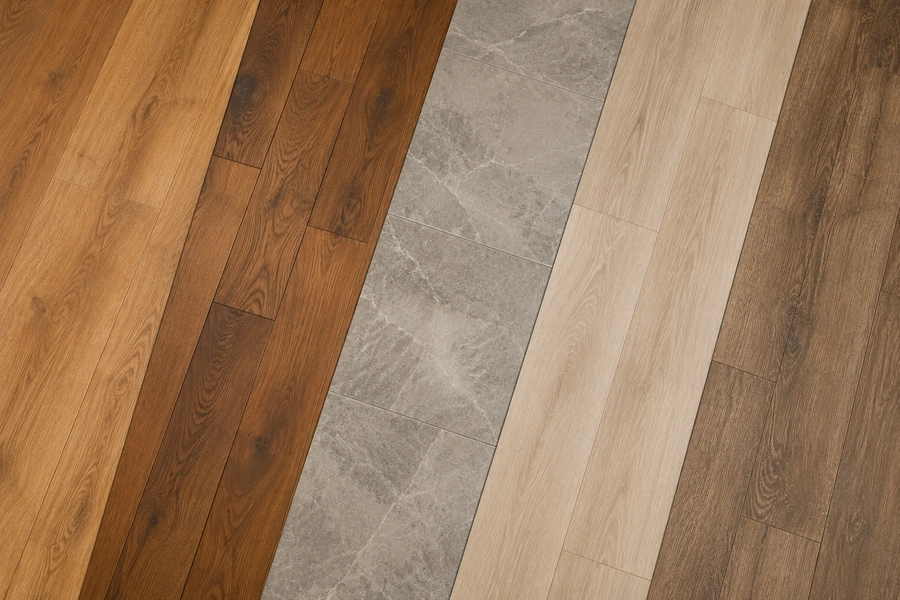
Comparing LVT flooring with other flooring options and 12 most popular flooring trends makes it easier to choose the right material for your space.
| Flooring Type | Water Resistance | Underfoot Feel | Typical Cost Level | Maintenance Needs |
| LVT | High | Soft and slightly cushioned | Mid range | Sweeping and occasional mopping |
| Hardwood | Low | Firm and warm | High | Periodic refinishing |
| Ceramic Tile | High | Hard and cool | Mid to high | Regular grout cleaning |
| Laminate Flooring | Low to moderate | Firm | Low to mid | Damaged planks usually need replacement |
| LVP | High | Soft and slightly cushioned | Mid range | Sweeping and occasional mopping |
LVT and LVP use similar core materials and offer many of the same performance benefits. The main difference is their shape. LVT comes in square tiles, while LVP comes in long planks. Room layout often helps determine the better choice. Planks suit long and narrow spaces, while tiles work well in many different room layouts.
Every flooring type has its own advantages. LVT flooring is a strong choice when water resistance, comfort, and design flexibility are equally important.
Frequently Asked Questions
How long does LVT flooring last?
Most LVT flooring lasts between 10 and 25 years, depending on its quality and daily use. Foot traffic, sunlight, and cleaning habits all affect its lifespan. A thicker wear layer usually provides a longer service life.
Can LVT flooring be installed over existing floors?
Yes, in many cases LVT flooring can be installed over an existing floor. The surface should be flat, stable, and free from major damage. A flooring installer can inspect the floor before installation.
Does LVT flooring fade in direct sunlight?
Long periods of direct sunlight can cause some fading over time. The change usually happens gradually and is not noticeable at first. Many modern LVT flooring products include UV-resistant finishes to help reduce fading.
Is LVT flooring a good choice for homes with pets?
Yes, LVT flooring is a good option for homes with pets. The protective wear layer helps reduce scratches from pet claws. The surface also handles small spills and accidents without lasting damage.
Can damaged LVT flooring be repaired?
Yes, damaged LVT flooring can usually be repaired by replacing individual tiles or planks. This removes the need to replace the entire floor. Click and loose lay LVT are often the easiest types to repair.
Conclusion
LVT flooring offers a practical combination of durability, style, and everyday comfort. It performs well in different spaces while meeting a wide range of design needs.
Knowledge of the different types, installation methods, and costs helps buyers make better renovation decisions. Clear information also makes it easier to discuss the project with flooring installers and suppliers.
The right choice today can provide a durable and attractive floor that performs well for many years.

Noah Williams
Interior Designer & Flooring Expert
Related Posts