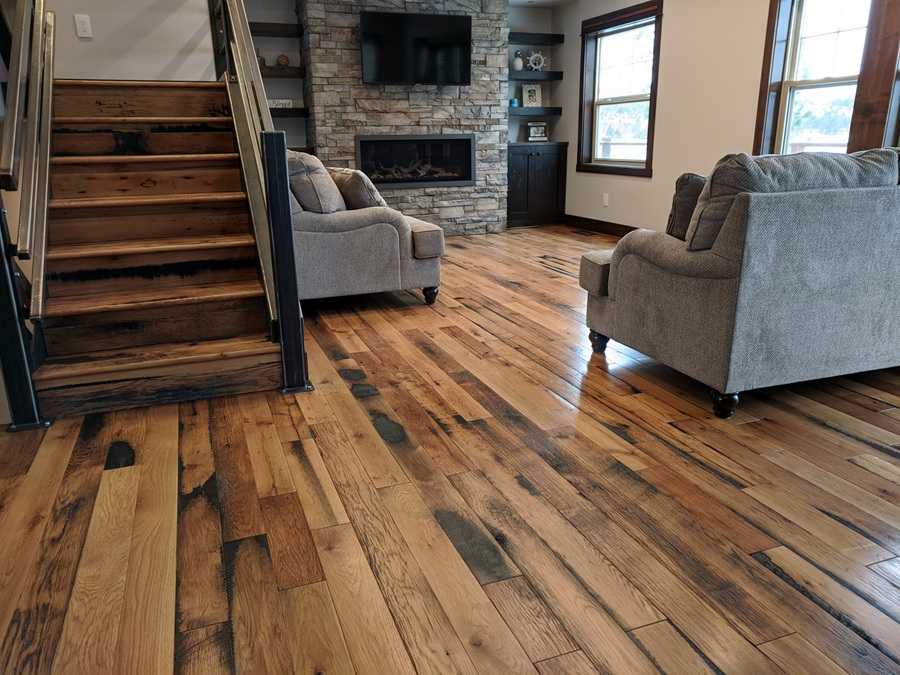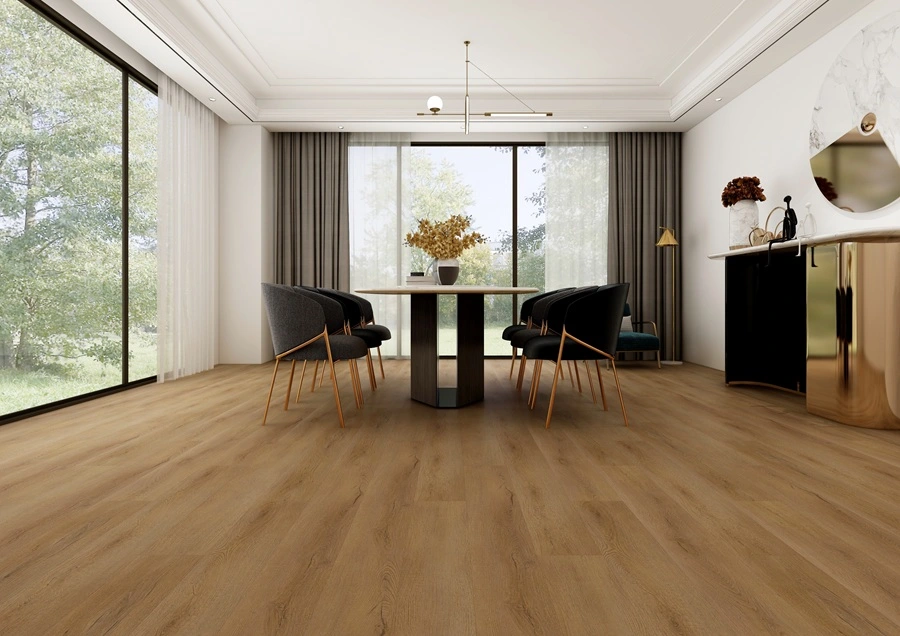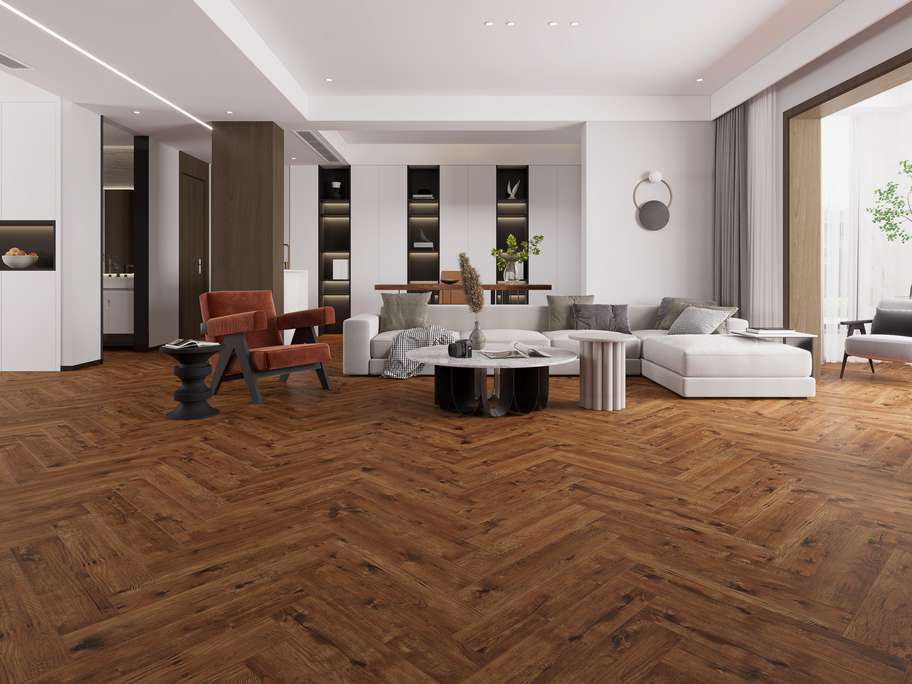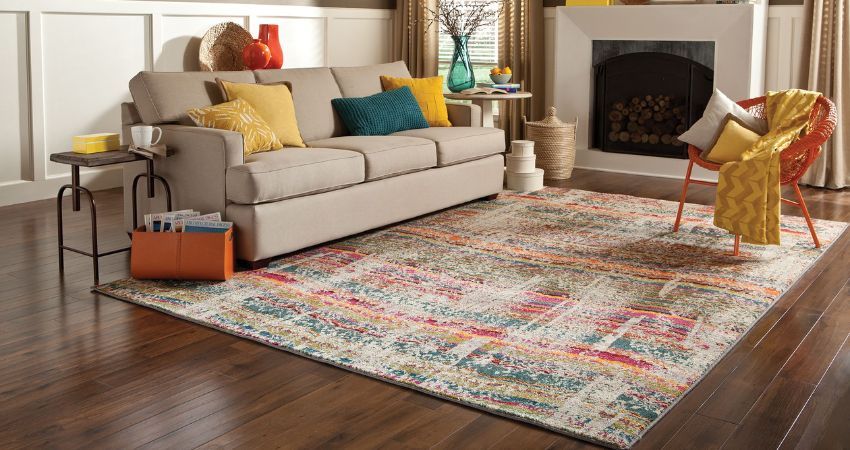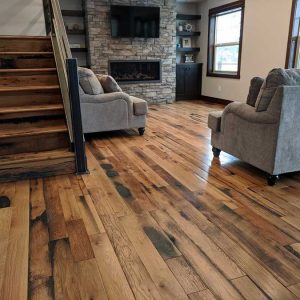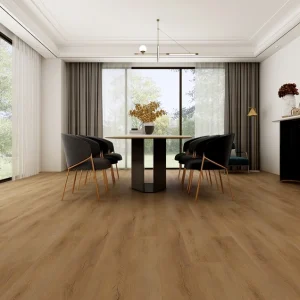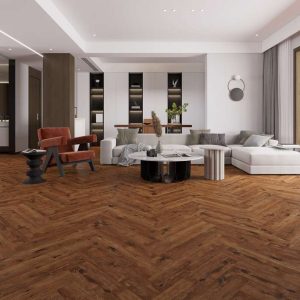
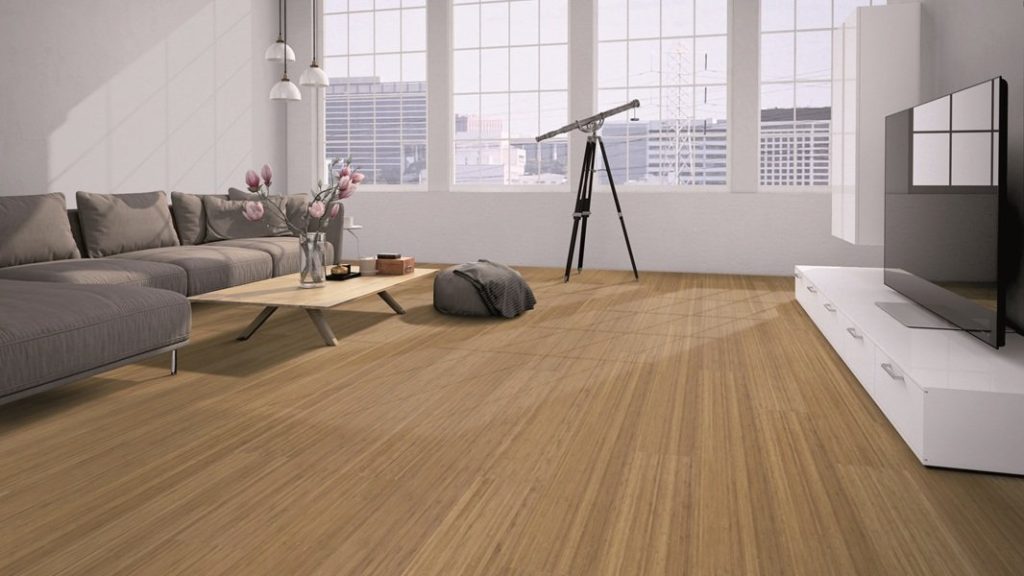
Bamboo flooring means planks made from bamboo fibers. This flooring is often mistaken for hardwood but is better in terms of sustainability, durability, and affordability. In 2026, this flooring is trending for its natural wood-like aesthetic, stability that rivals tiles, and easy maintenance like vinyl.
Before falling in love with bamboo flooring, discover its pros & cons. Learn bamboo flooring’s composition, key features, installation techniques, and maintenance requirements to find out whether this popular surfacing solution is the right fit for your property and lifestyle needs.
1. What Is Bamboo Flooring
2. Are Bamboo Floors Real Wood
3. How Bamboo Flooring Is Made
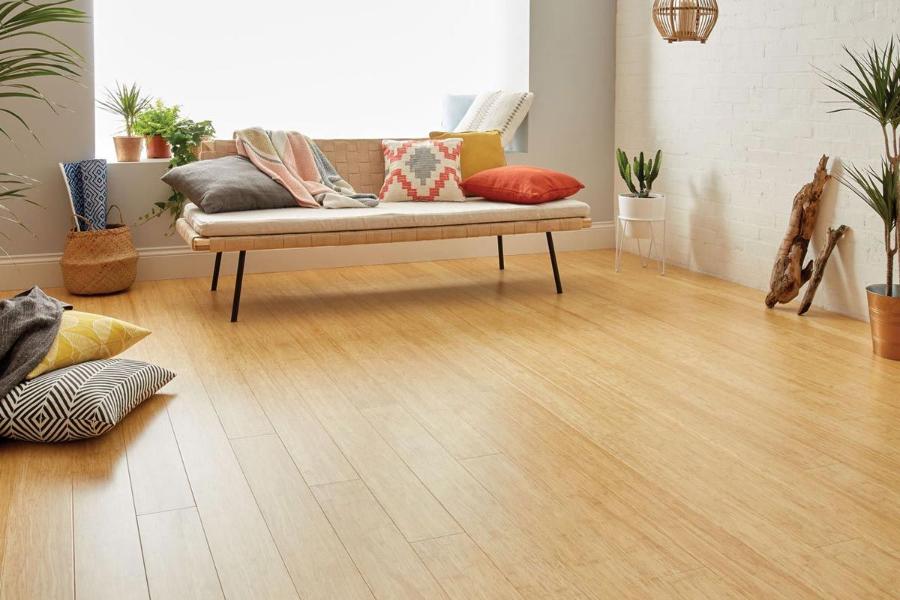
This natural flooring is made by turning raw bamboo grass into hard planks. Take a look at the bamboo planks’ interesting manufacturing process:
- Harvesting: The stalks of the mature Moso bamboo plant are reaped at 4 to 6 years of age.
- Shredding Into Fibers: These stalks are trimmed, the skin is peeled, and the culms are shredded into fibers.
- Boiling & Drying: To remove insects & sugars, bamboo fibers are boiled and then immediately kiln-dried to take the moisture content down to 7% to 9%.
- Pressing & Binding: Adhesive is added so the fibers stick together, and they are pressed together with high heat and pressure.
- Finishing: These compressed bamboo fiber blocks are milled into plank-sized boxes and are treated with UV-resistant coatings and varnish.
4. Types of Bamboo Flooring
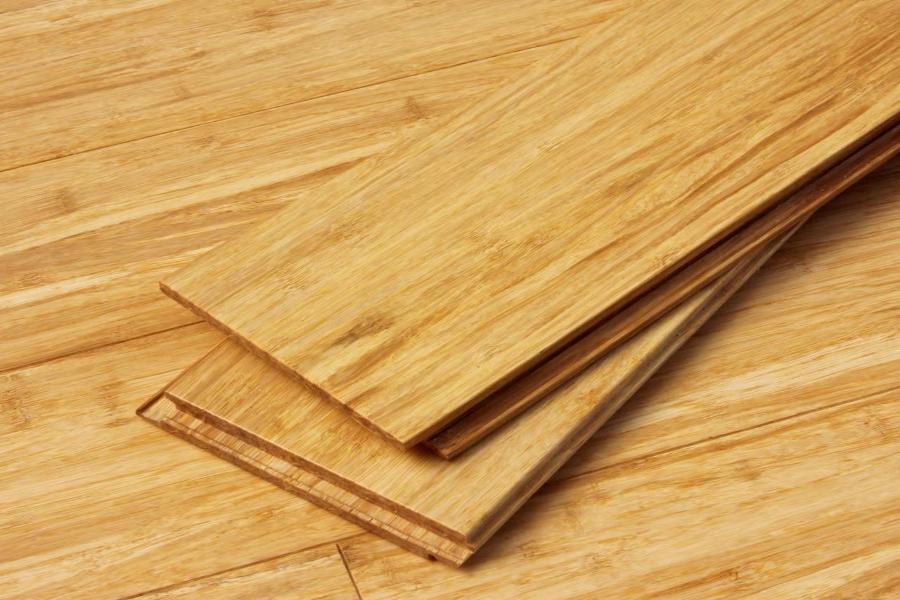
This flooring can be made of a single piece of bamboo, or just a bamboo top surface, or may feature an SPC core.
Strand-Woven Bamboo Flooring
Strand-woven bamboo means bamboo fibres mixed with resin. It comes in solid and engineered bamboo options, and its durability is better than that of oak.
Horizontal Bamboo Flooring
When the bamboo fibres are pressed together horizontally, planks with a unique “knotted grain” pattern are formed. This type of bamboo surface looks best in traditional-style interiors.
Vertical Bamboo Flooring
If the grass strips were laid edge-to-edge before glueing or going under the hydraulic press, a straight & consistent grain pattern would form. This style of bamboo flooring looks sleek in modern spaces.
Engineered Bamboo Flooring
This flooring has a bamboo veneer, and the rest of the base is either plywood or laminate. This process allows bamboo to handle moisture better while offering a similar appearance.
5. Key Benefits Of Bamboo Flooring
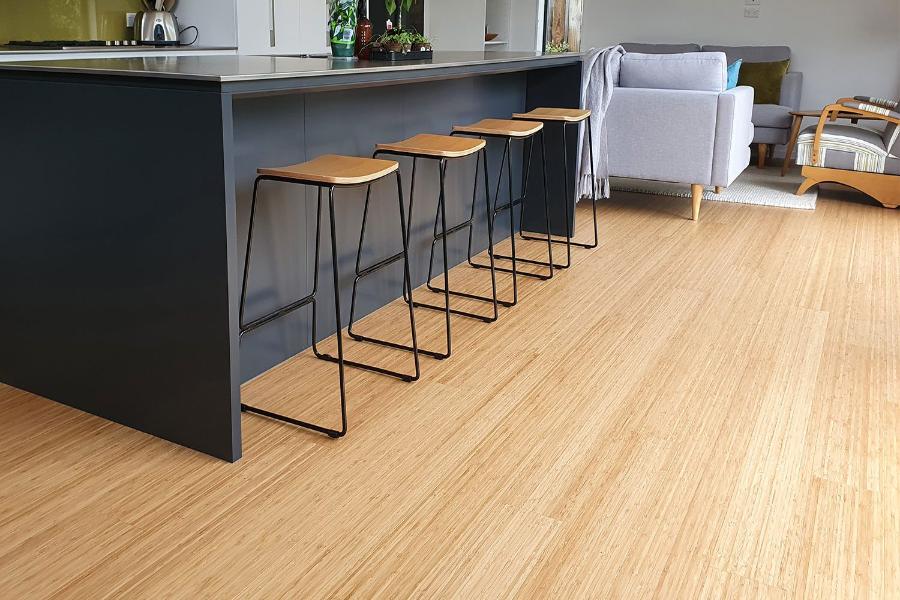
Let’s discover the main reasons behind the bamboo plank flooring’s rise in popularity:
Eco-Friendly
Bamboo is harvested for flooring without killing the plant, so no replanting is required. This material grows much faster than hardwood (which takes 20+ years to mature) and therefore, is more sustainable.
Hypoallergenic & Safe
Earthquake Resistant
Bamboo planks are a very popular option for homes in seismic zones because they can dampen vibrations and make rooms safer for dwellers. This flooring material is highly flexible, with higher tensile strength than steel and resistance to breaking from tremors.
Refinishable
Genuine bamboo flooring (100% bamboo) can be refinished if scuffs and dents appear. You can sand the top surface of bamboo to smooth these blemishes without risking damaging its core.
Gentle On Joints
Bamboo reduces strain on the joints and feet for its unique “springy” feel. It feels more gentle than stone flooring and retains more warmth, offering a cosy and enjoyable walking experience.
6. Disadvantages Of Bamboo Flooring
Bamboo flooring also has some weaknesses, such as sensitivity to humidity, releasing VOCs, and low scratch resistance.
Swells If It Gets Wet
Toxins Can Be Present
During manufacturing, a urea-based adhesive that may contain toxic formaldehyde can be added to join the bamboo strands. Moreover, bamboo surfaces can release hazardous volatile gases that cause eye and throat irritation.
Scratches Under Daily Wear
Bamboo is not a good flooring choice if you have small kids or pets, or if you live in a busy home. The reason: bamboo (especially the vertical and horizontal options) scratches relatively easily. Some suppliers, such as Nova Floor in the UAE, offer flooring with aluminum oxide finishes to help it resist scratches.
7. Bamboo Flooring vs Other Flooring Types
Bamboo is stronger, more eco-friendly, economical, and a long-lasting option compared to other residential flooring types.
| Feature | Bamboo | Hardwood | Laminate | Vinyl (LVP) |
| Hardness | Exceptionally Hard (300% more than wood) | High To Moderate | Moderate To High | Very High |
| Lifespan | 20–30 Years | 30–50 Years | 10–20 Years | 10–20 Years |
| Cost | Moderate | High | Low-Moderate | Moderate |
| Sustainability | Highly Renewable | Varies | Low | Low |
8. Where Is Bamboo Flooring Best Used?
Find out where bamboo floors are suitable for use in your home or commercial property:
Best Use Of Bamboo Flooring
- Hallways & Living Rooms: These natural planks are extraordinarily dense & durable and suit medium to high-traffic living spaces.
- Staircases: Bamboo gives staircases a luxurious look and absorbs footsteps.
- Rooms With Underfloor Heating: Engineered bamboo planks are best for areas that have radiant heating.
- Fitness Studios: Since bamboo is highly flexible and shock-absorbent, it is suited for yoga and pilates studios.
- Retail Stores: Bamboo, with its natural colors and high-quality finishes, offers a warm & welcoming feel.
Locations To Avoid
- Bathrooms: Bamboo surfaces are not ideal for wet rooms as they are susceptible to damage from steam and water splashes.
- Outdoor Spaces: Bamboo is not resistant to sun damage or humidity, and is not suited for patios or balconies.
9. Bamboo Flooring Installation Process
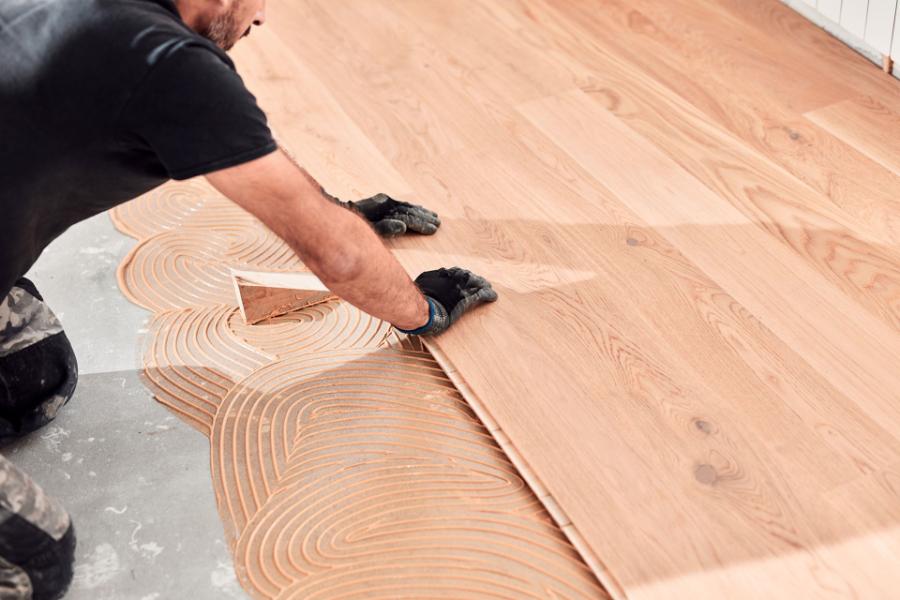
Bamboo flooring’s installation difficulty is moderate; DIY-ers with some proficiency and professionals can install it easily. Discover the main bamboo flooring fixing steps below:
Bamboo Acclimatization
Bamboo planks are left to rest at room temperature for 1 to 2 days. This preliminary step may sound simple, but skipping it has long-term consequences.
Subfloor Prep
The underfloor, whether concrete or wood, is cleared of debris, and it is ensured that moisture levels meet the recommended value, i.e., 6% to 16%.
Choosing Installation Method (Floating, Glue-Down, Or Nail-Down)
Staggering Joints
A layout is planned, and bamboo boards are stacked while leaving a 12mm gap around the walls for trims.
Finishing
Lastly, skirting boards are installed around the perimeters, bamboo flooring is tested for stability, and varnish coating is applied.
10. Bamboo Flooring Cleaning & Maintenance Guide
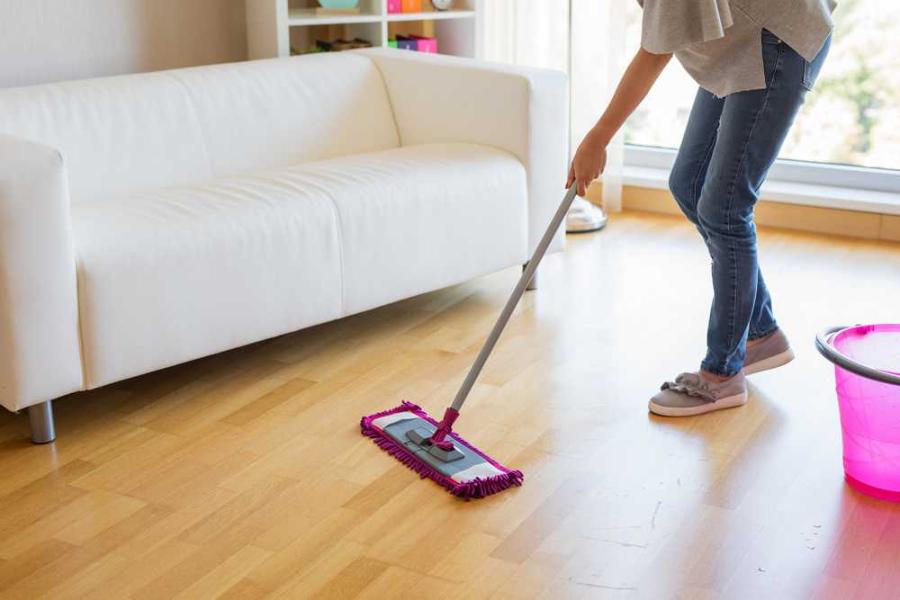
Bamboo surfaces are generally not hard to maintain, given you provide them with regular care and use the right cleaning products, and take proper preventative measures to preserve the flooring.
Damp Mopping
To clean bamboo flooring without streaks, use a well-wrung-out microfiber mop (that should dry in minutes) and wipe in the direction of the bamboo’s grain.
Avoid excess moisture
Do not use a steam mop or one that is soaking wet, or wash bamboo plank flooring with buckets of water.
Non-Abrasive Cleaners
Avoid using soap, as it can leave a film, or bleach, and clean the bamboo boards with a gentle, no-rinse floor cleaner.
Protective Furniture Pads & Mats
In areas with high footfall, like entryways, preserve the bamboo boards from scuffs with mats. To improve bamboo’s longevity, cover the furniture legs with felt pads to prevent abrasion.
Control Humidity
Maintain the same humidity levels in your room in every season with a dehumidifier or a humidifier to protect the bamboo surface from expanding, buckling, or shrinking unexpectedly.
Re-Coat Every Couple Of Years
After 3 to 7 years, when bamboo floor planks begin to lose their sheen, buff them with a 40 to 60-grit sandpaper and coat them with industry-approved treatments.
To Sum Up:
Common Questions About Bamboo Floors
What Is Carbonised Bamboo Flooring?
Carbonised bamboo flooring has a darker colour, say coffee brown, burnt umber, and sepia, than blonde natural bamboo. It differs from a natural bamboo floor because the former is steamed, and its sugars are caramelised during manufacturing. Carbonised bamboo planks feel relatively softer, are prone to dents, and suit low-traffic rooms the best.
How Does Bamboo Flooring Cost Compare To Hardwood?
Bamboo flooring is more budget-friendly, as it is nearly 20% cheaper than hardwood planks. In Dubai, bamboo plank flooring costs AED 100 to AED 250 per square meter, whereas solid wood planks in the same quantity cost around AED 150 to AED 500.
What Is The Average Lifespan Of Bamboo Planks?
This depends on the type of bamboo, as strand-woven planks have a lifespan of 30 to 50 years. Genuine bamboo planks last for nearly 30 years, and engineered bamboo floors remain usable for 20 to 25 years. If bamboo planks are left untreated in exterior areas, they may only last for 2 to 3 years.