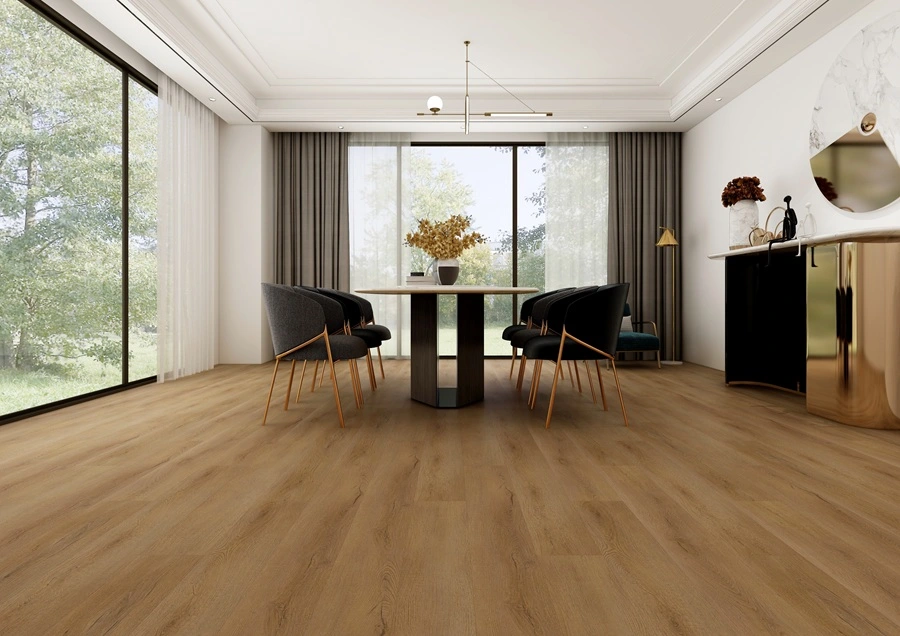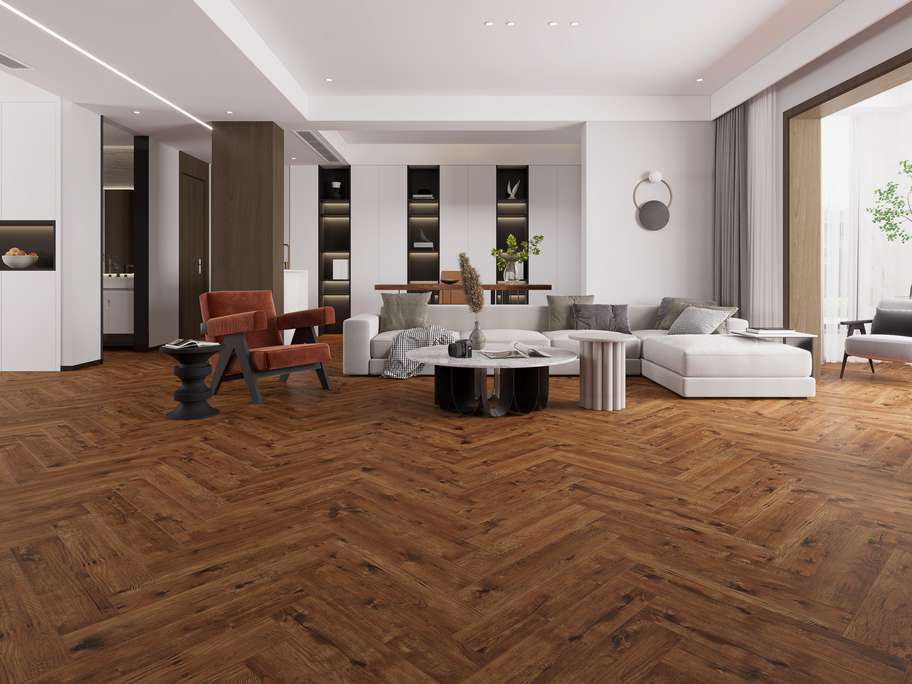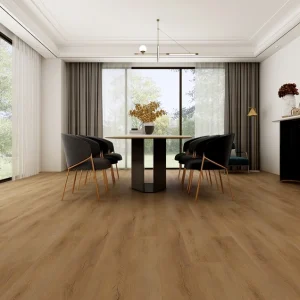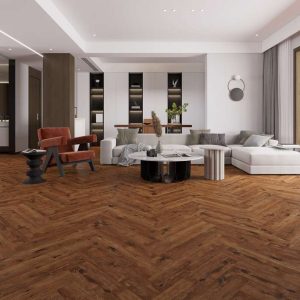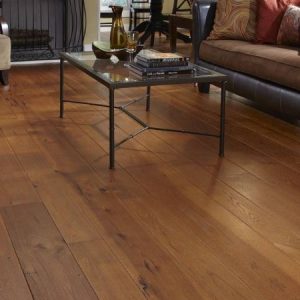
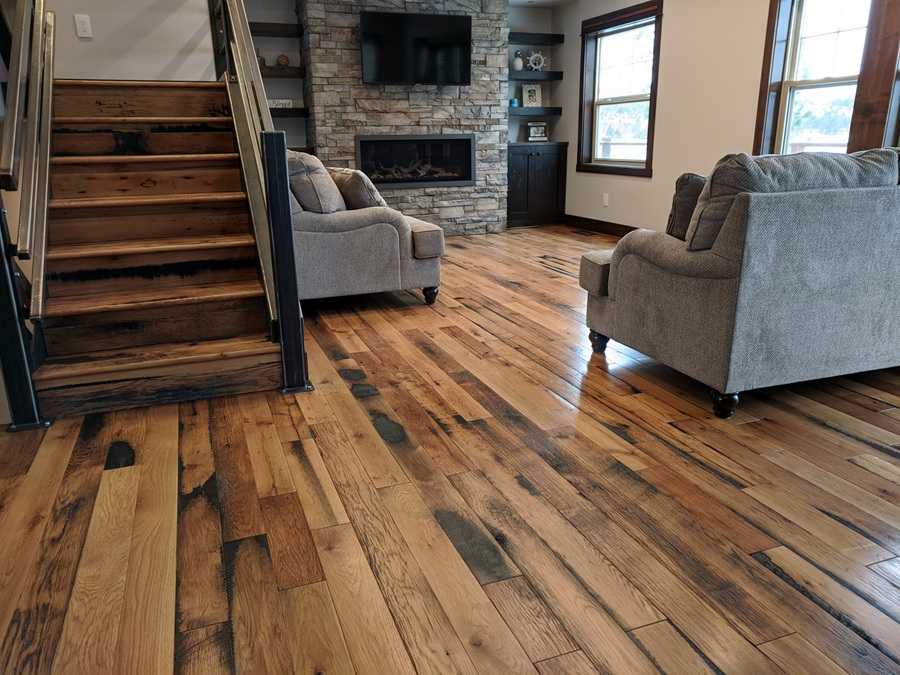
Reclaimed wood flooring is 100% real timber that is sourced without cutting new trees. Another term for “antique wood”, this is a centuries-old wood that has been rescued from the landfill. Each plank comes from an old building and provides your property with a stable, history-rich foundation.
Discover whether reclaimed wood flooring is the right investment for your home or commercial space. Find out its story, features, weaknesses, installation methods, and care needs.
What Is Reclaimed Wood Flooring
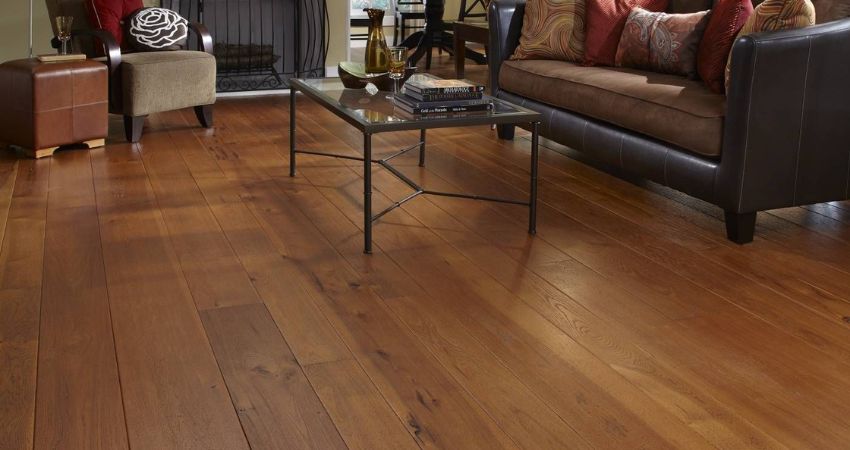
Reclaimed wood flooring is old timber that is milled into new planks. You may know it as “recycled wood flooring” and “repurposed wood planks.” It is more durable than freshly-sourced wood and often has nail marks and weather stains, adding to its authentic appearance. This flooring is a testament to wood’s impressively long lifespan. Though reclaimed wood flooring can be more expensive than newer planks, choosing Wooden Flooring in Dubai can provide high ROI by enhancing your property’s value.
Where Does Reclaimed Wood Come From?
To find this flooring’s source, let’s go back a couple of centuries to a period between the 1850s and the 1950s. Barns, warehouses, factories, railway tracks, and homes, all built with the highest quality wood. At that time, Oak, Pine (the most common type), Maple, Hickory, and Chestnut were commonly used for their ability to remain in good condition for 100s of years. After generations, this material is collected and cut & perfected into new flooring.
The Reclaimed Wood Process | How Old Wood Is Turned Into New Planks
Wood undergoes a meticulous cycle that gives it a second chance while preserving its character and history. Explore its 4 processing steps:
- Sourcing: Old wood is removed (usually by hand) and sorted into salvageable & defective parts.
- Metal Removal: Nails and bolts are carefully removed from these used planks.
- Kiln-Drying: To sanitize, the planks are dried in a kiln that removes germs and insects.
- Cutting & Finishing: The recycled wood is then shaped into planks and sealed with durability-enhancing coatings.
Key Benefits Of Reclaimed Wood Flooring
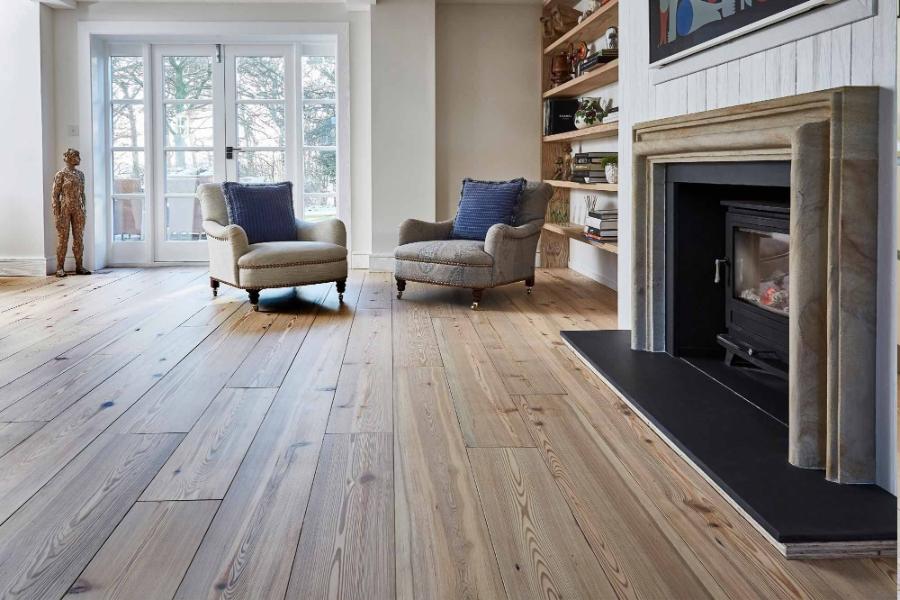
Reclaimed wood flooring stands the test of time, infuses character & value to the property, and improves the air quality. Explore these flooring benefits in detail below:
1. Can Outlive New Timber
Reclaimed wood flooring has faced centuries of wear and environmental damage, making it stronger than freshly produced planks. It is significantly more dimensionally stable (resistant to shrinkage) than new timber and less prone to buckling and twisting. Due to its extreme durability, repurposed wood flooring can last up to 200 years.
2. Eco-Friendly Choice
By buying this flooring, you save used wood from ending up in the landfill and can even recycle it in versatile ways. Since it does not require chopping trees, reclaimed wood flooring has a 50% lower carbon footprint than virgin wood. Reclaimed wood is not known for emitting toxic gases (VOCs) and won’t negatively impact air quality. Many homeowners also choose Parquet Flooring Dubai designs with reclaimed wood to combine sustainability with timeless style.
3. Excellent Resale Value
Although it’s recycled, reclaimed wood can fetch a good price if resold. It is an ideal option for home renovation before selling or renting, as reclaimed flooring can appeal to a vast range of buyers and can boost the property’s market value.
4. Deepened Colors And Textures
The planks have an unparalleled patina with deep grain patterns and unique color variations like honey, silver grey, and deep brown. The best part: This aged appearance conceals new wear better.
Drawbacks Of Reclaimed Wood Flooring
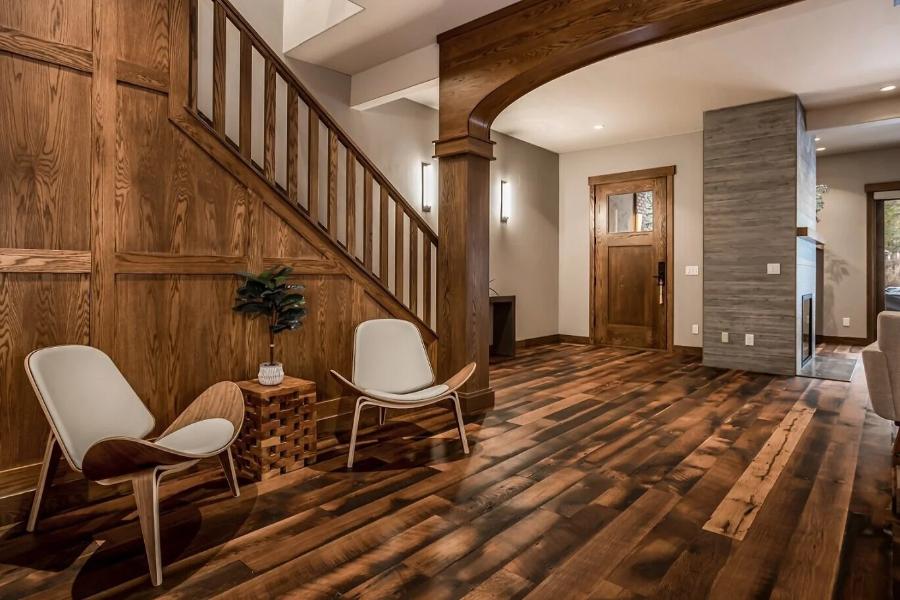
Reclaimed wood flooring is not easily available or budget-friendly, and it is flammable and needs special care.
1. Higher Cost Than New Wood
The biggest disadvantage of reclaimed wooden planks is their high price. It can easily cost you around AED 17 to AED 73 per square foot, which is considerably costlier than many flooring types.
2. Limited Availability
This flooring comes from centuries-old buildings and is therefore not readily available or accessible. These planks are in limited supply, and one often has to wait a long time to get their hands on this aged flooring. If you’re looking for alternative options while sourcing reclaimed wood, a trusted Laminate Flooring company in Dubai can provide high-quality, stylish planks that complement your interior design.
3. Highly Flammable
This recycled flooring has a lower moisture content than fresher planks, making it more fire-prone. If reclaimed wood boards are thin and flimsy, they are vulnerable to ignition.
Some suppliers finish this flooring with water-based coatings to make the reclaimed planks less flammable.
Reclaimed Wood vs New Hardwood | A Comparison
Learn the main differences between reclaimed wood & new wood flooring in this cost-value comparison and find out which option is better suited for your home.
| Feature | Reclaimed Wood | New Hardwood |
| Appearance | Denser Grain Patterns & Weathered Texture | Uniform Grain Pattern & Lacks Imperfections |
| Durability | Extremely High | High |
| Hardness | Extremely High Due To Tighter Cellular Structure | Often Less Than Reclaimed Wood |
| Sustainibility | Very High (avoids intensive harvest process & prevents cutting down trees) | Moderate (involves deforestation) |
| Installation | Requires Meticulous Attention & Time | Simpler & Faster |
| Initial Cost | Higher | Mid To High Range |
How To Care For Reclaimed Wood Flooring
Reclaimed wood flooring requires specialized care and protection to preserve its unique patina. Check out the routine cleaning, preventative care, and preservation routine of the reclaimed flooring:
Every Day Care
- Vacuum with a soft brush attachment to remove debris buildup.
- Mop the reclaimed planks with a damp cloth and non-abrasive cleanser.
- Blot spills and stains immediately to prevent them from soaking up and causing the repurposed planks to warp.
Preventative Care
- Maintain a controlled indoor humidity level (30% to 55%), a consistent temperature, and proper air flow to prevent reclaimed boards from swelling or contracting.
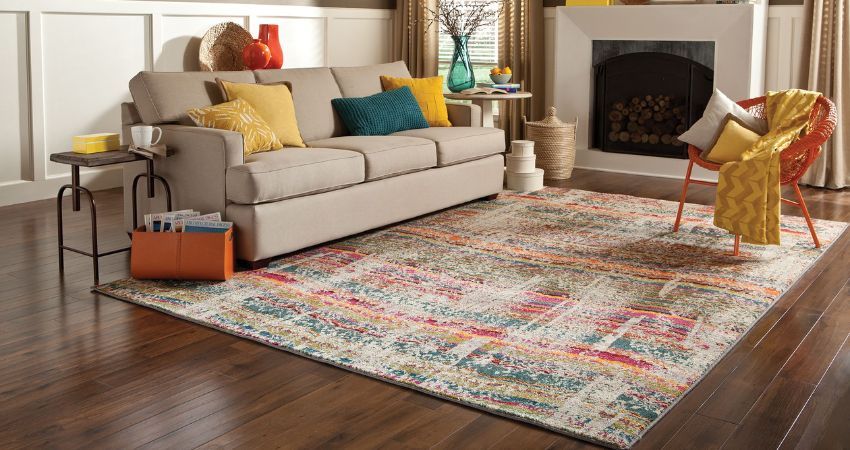
- To minimize scuffs & dents on reclaimed flooring, cover the busy areas with a rug.
- Avoid walking in high-heeled shoes, and cover furniture legs with anti-scratch pads to protect your reclaimed flooring.
Long-Term Care
- Re-oil, wax, or apply a polyurethane finish to the reclaimed timber every 12 to 15 months.
- Deep-clean it every couple of years and sand the recycled plank flooring after 8 to 10 years to maintain its pristine appearance.
Where Is Reclaimed Wood Flooring Best Used?
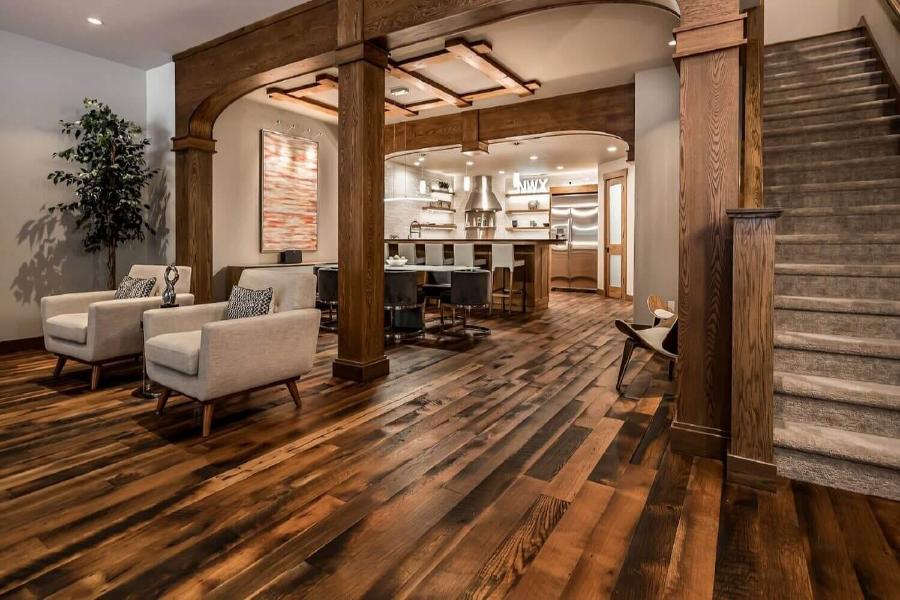
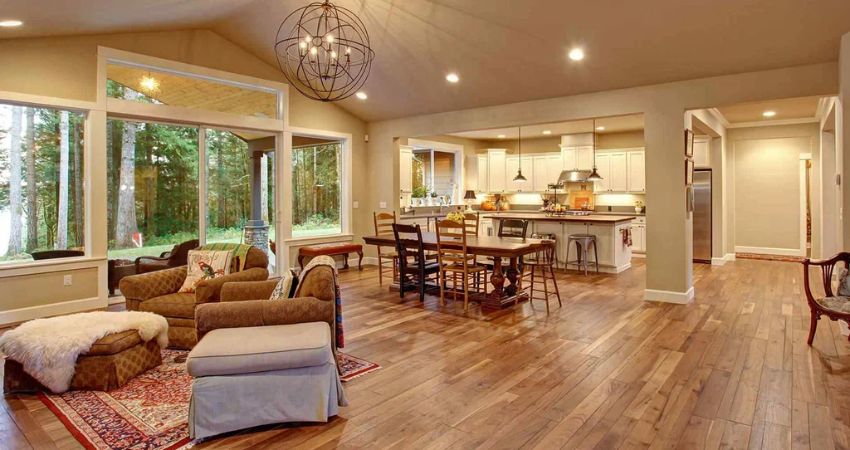
Reclaimed wood is the best flooring for renovating homes and commercial spaces, adding historic depth and a unique aesthetic. It is ideal for every room, even the high-traffic zones, and gives them an inviting, warm feel.
Top Residential Applications
- Living Rooms
- Bedrooms
- Kitchens
- Dining Halls
- Hallways & Entryways
Top Commercial Applications
- Restaurants
- Retail Stores
- Offices
Installation Process Of Reclaimed Wood Flooring At A Glance
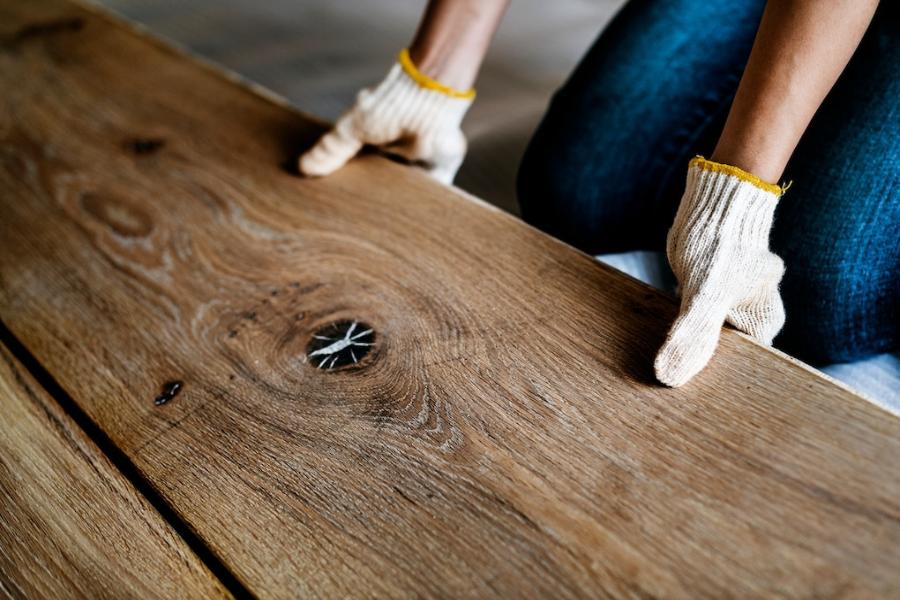
Reclaimed wood flooring is not the easiest to lay, and we recommend booking an installation company, like Nova Floor, for error-free results. Here are the steps involved for installing reclaimed wood flooring:
Step 1: Acclimatization
Store reclaimed wood planks for 7 to 14 days before installing them, as this allows the flooring to adjust to your climate. We recommend not ignoring this step, or the boards can expand, shrink, or warp after laying. For a stylish and timeless layout, many homeowners opt for Herringbone Flooring in Dubai using reclaimed wood to enhance their interiors.
Step 2: Floor Preparation
Wash the subfloor and make sure it is free of dirt & fully dry before laying your wooden planks. Ideally, lay plywood boards (for concrete subfloor), underlayment, or a water barrier to ensure stability and prevent mold.
Step 3: Planning Layout
Get a chalk and mark reference lines where you want to lay the reclaimed boards. Make sure the lines are straight and do not have unnecessary gaps in between for the best results.
Step 4: Lay Planks, Row By Row
Install the first row of reclaimed wood planks and tap with a hammer to ensure a secure fit. Do the same for the next rows while ensuring levelness, and cut the boards wherever necessary. For professional results and high-quality materials, choosing trusted Flooring in Dubai providers can make the installation process smooth and reliable.
Step 5: Finishing Touches
Inspect for mistakes and install your trims (baseboards). Lastly, sand down the reclaimed boards and apply wax for a professional finish.
How to Identify Genuine Reclaimed Wood Flooring
Here are a few factors, appearance-wise, that can help you identify real reclaimed wood from imitations.
- Nail Holes & Rust Stains: Reclaimed boards will have random wear.
- Non-Repeating Grain Patterns: No two reclaimed planks will have the same grain spiral.
- Uneven Color Variations: Real repurposed wood will not have a uniform hue.
- Check Edges For Layered Construction: Genuine reclaimed planks will be wood throughout, and not layers of plywood.
Conclusion:
- Reclaimed wood flooring is old timber with added perks. We took a journey through the history, processing, and installation of reclaimed wood flooring. You also learned about the pros, cons, applications, and maintenance needs of this timeless flooring. To find high-quality reclaimed wood options, visit Nova Floor, a trusted flooring supplier & installer in the UAE.
Frequently Asked Questions
Is reclaimed wood flooring safe?
Reclaimed wood flooring generally meets the safety & health standards of the UAE. Most suppliers sanitize and treat it to eliminate termites and fungus. A key risk is lead, sometimes found in the wood’s paint. Make sure the floorboards have been lead-tested & properly sanded down before you buy them.
Is reclaimed wood stronger than new wood?
Yes, refurbished wood flooring comes from old, slow-growing trees with tighter grains and is more durable than new lumber. This aged flooring can bear extreme weight and offers matchless stability.
Is reclaimed wood flooring a healthy option for homes?
Reclaimed wooden surfaces are free from toxic contaminants & allergens, making them a health-friendly choice for apartments and villas. The recycled wood does not release harmful gases and contributes to a safe & hygienic home environment.
Is reclaimed wood flooring worth the cost?
Although it has a high initial cost, reclaimed wood flooring is worth it if you want a long-lasting foundation. This flooring saves used wood that is still in good condition from piling up in landfills and is an excellent sustainable choice.